Components of a Table Lamp
Understanding the various components of a table lamp is essential for selecting, maintaining, or repairing them. Below is a detailed breakdown of the parts that make up a typical table lamp:
1. Locking Mechanism
The locking mechanism secures the lampshade in place, preventing it from shifting or falling off.
2. Lampshade Mount/Fitter
This structure determines the shape and form of the lampshade, ensuring it maintains its intended design.
3. Lampshade
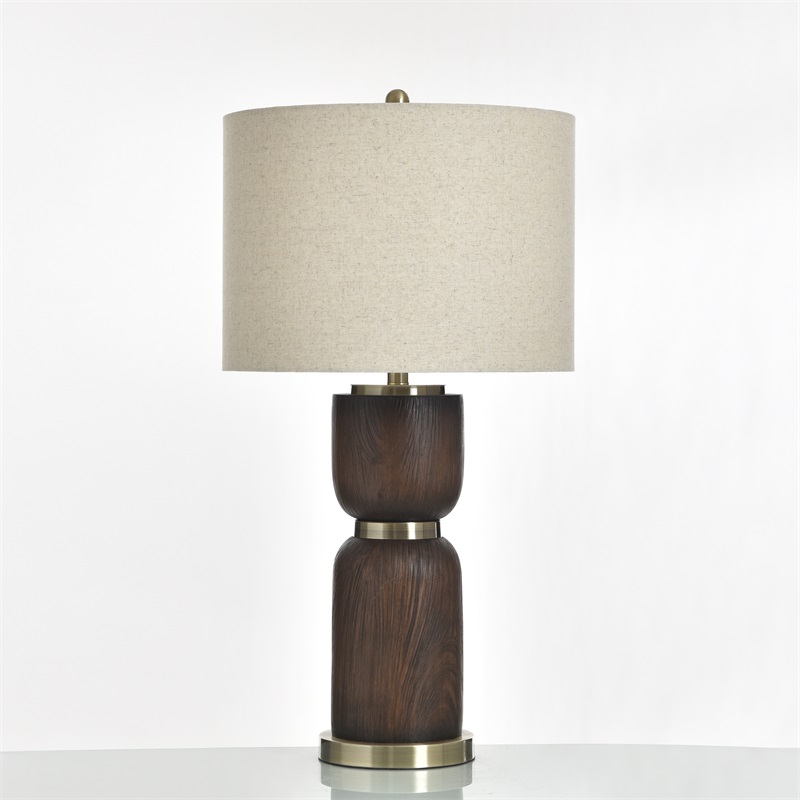
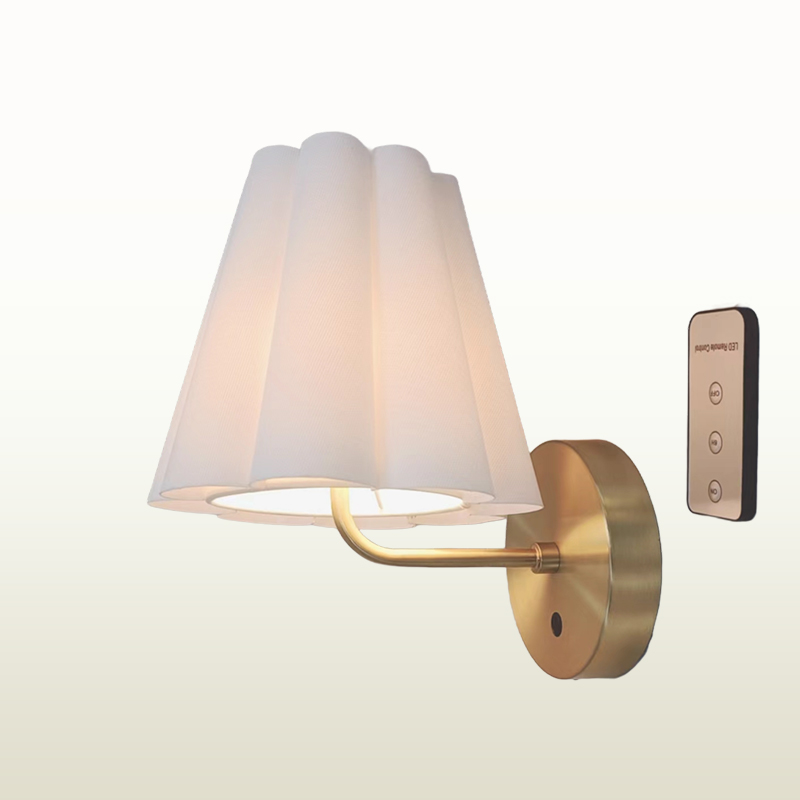
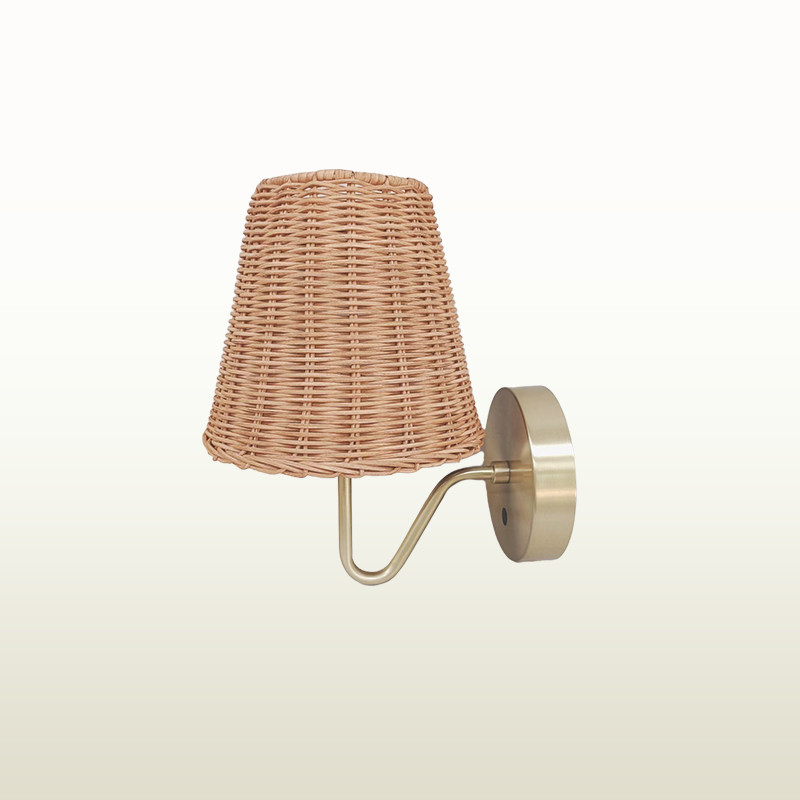
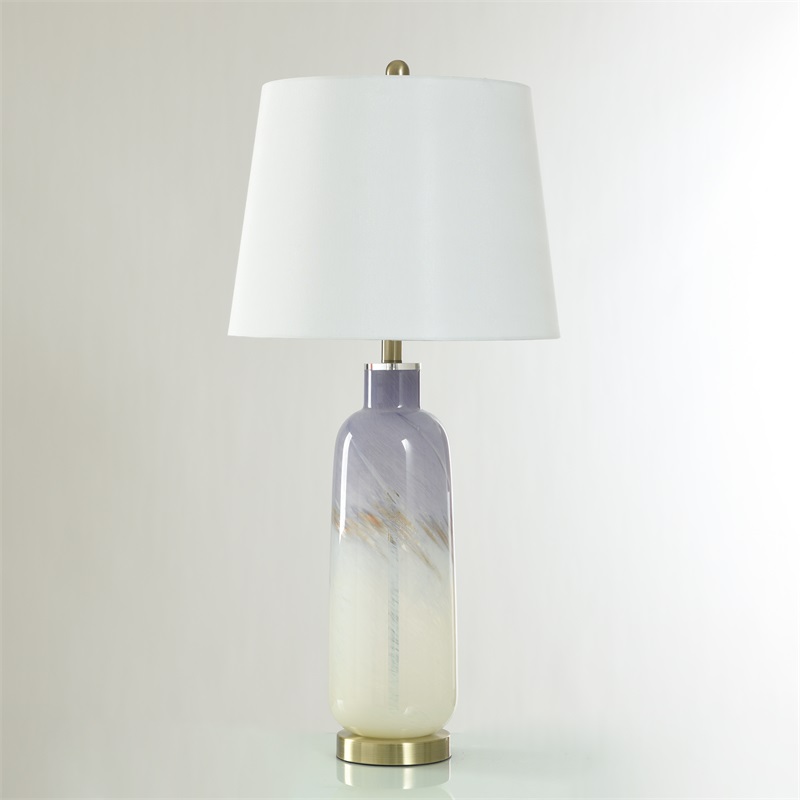
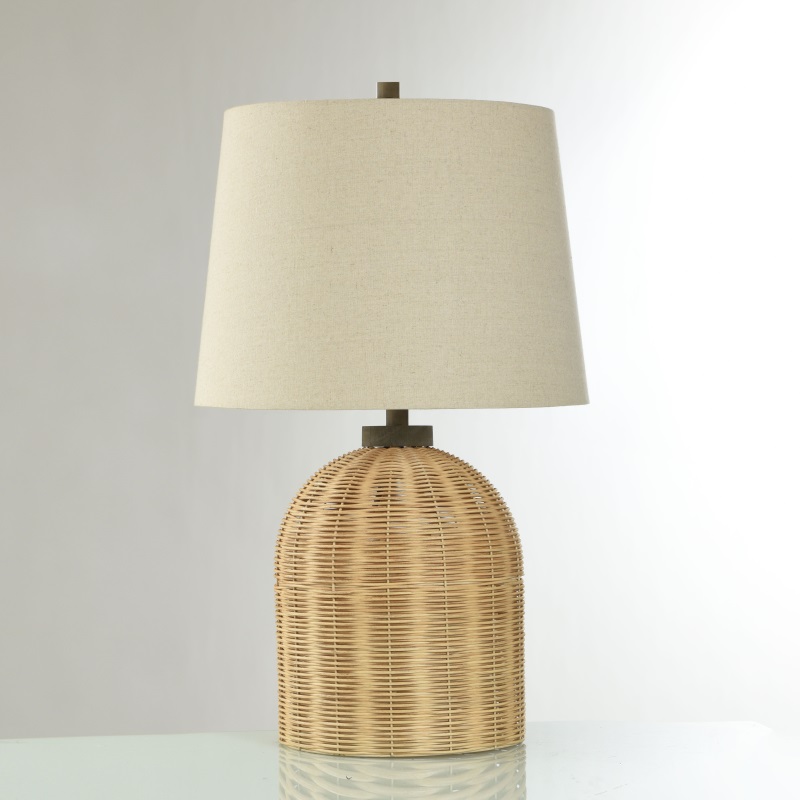
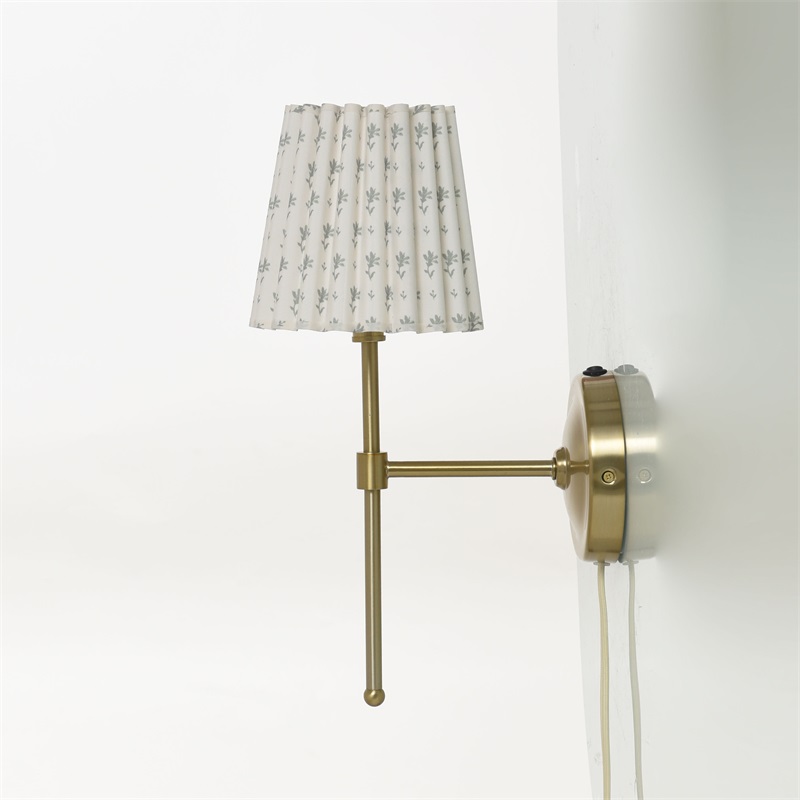
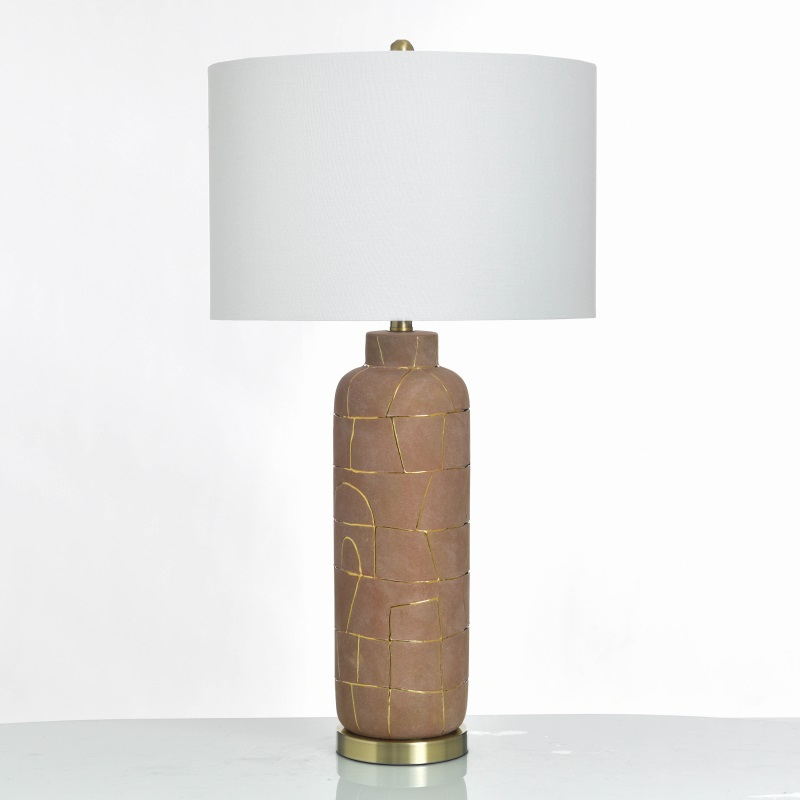
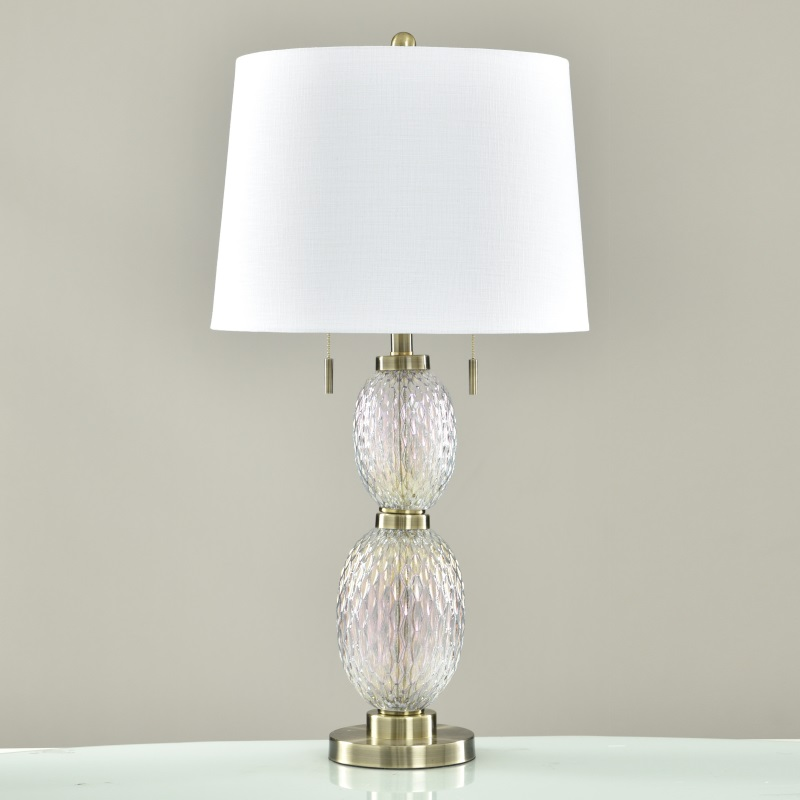
The lampshade diffuses light, reduces glare, and adds aesthetic appeal. Shades come in various materials—such as fabric, metal, or glass—and styles, including classic cylindrical, tapered cylindrical, and bell shapes.
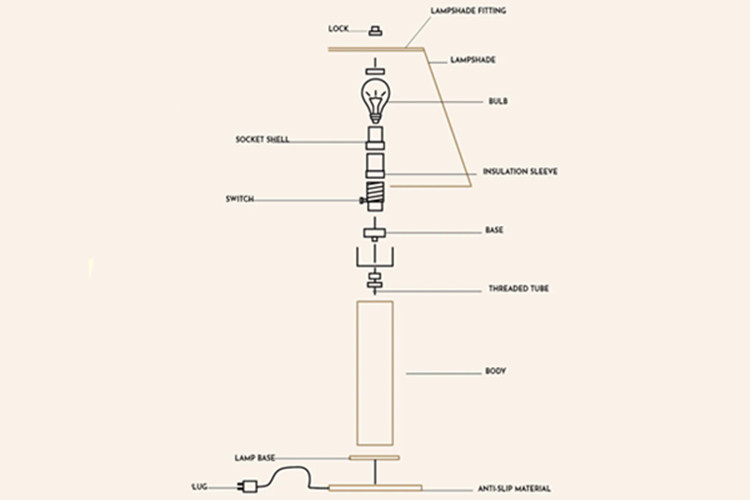
4. Light Bulb
The bulb is the primary light source of the table lamp. Bulb types include:
* Incandescent: Traditional bulbs that provide warm light.
* LED: Energy-efficient and long-lasting.
* Decorative bulbs: Bulbs with unique shapes, such as candle-style or globe bulbs.
5. Harp and Harp Saddle
These provide support for the lampshade and bulb, keeping them in place and properly aligned.
6. Socket/Socket Shell and Base
The socket holds the bulb and connects it to the table lamp's power supply. Common types include:
* Bayonet base
* Fluorescent
* Halogen
* Medium base
* Mogul base
7. Insulating Sleeve
This sleeve secures the socket shell to the switch and base, protecting the wiring from high temperatures and potential damage.
8. Switch
The switch controls the lamp's power. Types of switches include:
* Push-button
* Toggle
* Rocker
* Touch-sensitive (some with dimming functions)
9. Lamp Base
The base supports the entire structure of the table lamp, ensuring stability. Bases can be made from materials such as wood, metal, plastic, or ceramic.
10. Threaded Pipe
The threaded pipe is an optional component that connects the wiring within the lamp body to the socket and bulb.
11. Lamp Body
This is the main part of the table lamp; it is usually designed to be stylish and attractive, enhancing the lamp's overall aesthetic appeal.
12. Plug
The plug connects the table lamp to a power outlet, allowing it to draw electricity from the mains.
13. Non-slip Material
This material (typically felt or rubber) is located on the underside of the lamp base; it prevents the lamp from sliding and ensures stability on various surfaces.
Final Thoughts
In short, turning on a lamp is simple. However, the information above can help anyone identify the key components of a table lamp and troubleshoot potential issues. Please keep in mind that not all table lamps are the same, so you should adapt this information to the specific lamp you are using. We hope this article proves helpful to readers who are looking for a new lamp or replacing damaged parts on an existing one.