What is a Good Wattage for a Table Lamp?
Have you ever stood in the lighting aisle wondering, "How many watts does a table lamp need?"
This question isn't just about brightness; it’s also about ambiance, energy efficiency, and safety.
Ready to become a lighting expert? Let’s unravel the mystery of wattage together.
1. Understanding Table Lamp Wattage and Lumens
Wattage measures the electricity a bulb consumes, while lumens measure the amount of light it produces.
Finding the right balance between wattage and lumens is crucial when choosing a table lamp. This ensures optimal brightness while saving energy.
2. General Guidelines for Table Lamp Wattage
In general, the maximum wattage for a table lamp should be 100 watts.
However, most table lamps fall within the 40- to 100-watt range, depending on the size of the fixture and the desired level of brightness.
Smaller lamps might use 40- to 60-watt bulbs, while larger ones might use 60- to 100-watt bulbs.
3. Wattage Comparison: Incandescent vs. LED Bulbs
Incandescent and LED bulbs have vastly different wattage requirements.
For example, a 60-watt incandescent bulb produces about 800 lumens of light, whereas a 9- to 11-watt LED bulb produces the same amount of light.
LED bulbs are far more energy-efficient than incandescent bulbs; they last up to 25 times longer and consume 75% less electricity.
Here is a simple conversion chart:
40-watt incandescent = 6–9 watt LED
60-watt incandescent = 9–11 watt LED
75-watt incandescent = 11–15 watt LED
100-watt incandescent = 16–20 watt LED
4. Factors to Consider When Choosing Wattage
Consider the following factors when selecting the wattage for your table lamp:
1) Intended Use: If you plan to use the lamp for task lighting (such as reading), you will need a higher-wattage bulb (60–100 watts). For ambient lighting, lower-wattage bulbs (40–60 watts) may suffice.
2) Room size: Larger rooms require higher-wattage bulbs to achieve the desired level of brightness.
3) Energy efficiency: LED bulbs are the most energy-efficient choice, followed by CFLs (compact fluorescent lamps) and halogen bulbs. Incandescent bulbs are the least energy-efficient.
5. Calculating the lumens needed for optimal brightness
Lumens measure the amount of light a bulb emits and are a better indicator of brightness than wattage.
For table lamps, aim for 400 to 800 lumens to achieve optimal brightness.
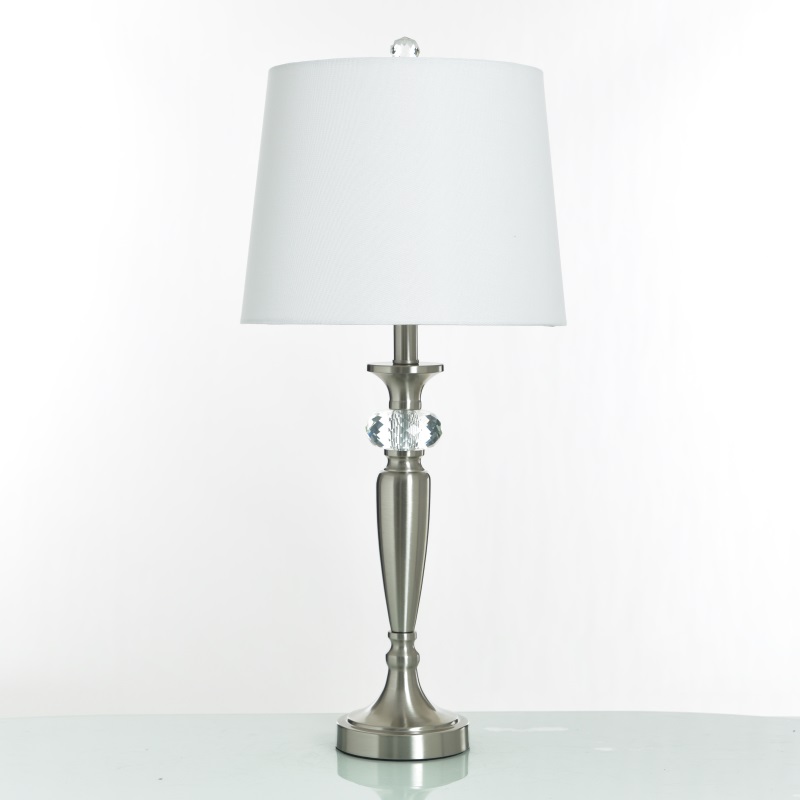
This product series is suitable for both ambient and task lighting.
6. Choosing the right bulb type for your table lamp
Consider the following factors when selecting a bulb for your table lamp:
1) Incandescent: Inexpensive, but not energy-efficient and has a shorter lifespan.
2) LED: Energy-efficient, durable, and available in a variety of color temperatures.
3) CFL (Energy-saving): Energy-efficient, but takes time to reach full brightness and may not be dimmable.
4) Halogen: Bright and energy-efficient, but generates significant heat and has a shorter lifespan than LED or CFL bulbs.
7. Safety considerations regarding wattage
1) Never exceed the table lamp's maximum rated wattage.
2) Using a bulb with excessive wattage can cause the fixture to overheat, potentially leading to a fire or damaging the lamp itself.
3) Always check the manufacturer's recommendations and never use a bulb with a wattage higher than specified.
8. Examples of ideal wattage for different types of table lamps
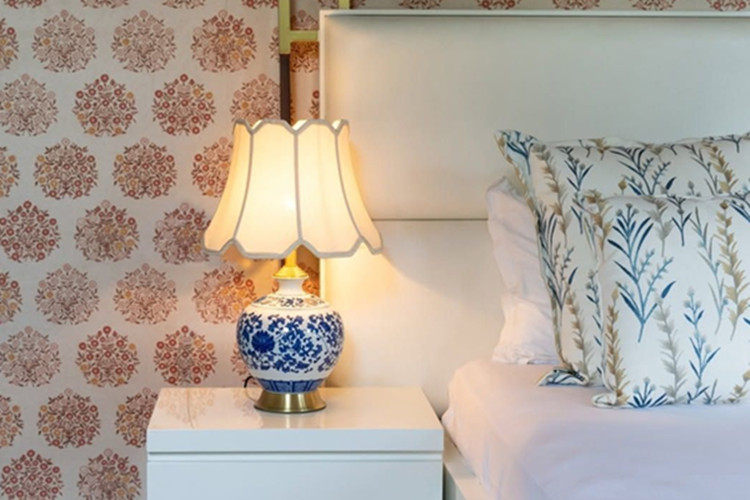
1) Bedside lamps: 40 to 60 watts (400 to 800 lumens) for ambient lighting; 60 to 100 watts (800 to 1600 lumens) for task lighting.
2) Living room lamps: 60 to 100 watts (800 to 1600 lumens) for both ambient and task lighting.
3) Table lamps: 60 to 100 watts (800 to 1600 lumens) for task lighting. 8. How to Find the Perfect Wattage Balance for Your Table Lamp
So, what wattage does a table lamp need?
It depends on your specific needs and the type of lamp.
Generally speaking, 60 watts (or an equivalent LED bulb) is a safe bet.
Remember to prioritize energy efficiency and safety.
Don't be afraid to experiment with different wattages and bulb types.
The perfect balance is out there, waiting for you to discover it.
FAQs
1) What wattage is needed for a bedside lamp?
For bedside lamps, choose 40 to 60 watts (400 to 800 lumens) for ambient lighting, and 60 to 100 watts (800 to 1600 lumens) for task lighting.
2) What is the appropriate wattage for a light bulb?
The appropriate wattage range for table lamps is 40 to 100 watts, depending on the size of the lamp and the desired level of brightness.
3) Is 60 watts too high for a lamp?
For most table lamps, 60 watts is not too high, provided it does not exceed the maximum wattage specified by the manufacturer.
4) What wattage is needed for a reading lamp?
A reading lamp should have a wattage of 60 to 100 watts (800 to 1600 lumens) to provide adequate illumination.