Table Lamp Materials
Table lamps come in a wide variety of shapes and sizes, but their materials play a crucial role in both their function and style. Whether you're redecorating or searching for the perfect light fixture, understanding table lamp materials can help you choose the one that best suits your needs. From timeless glass lamps to robust metal lamps, and a wide range of other materials, this guide will take you through the best materials for designer table lamps, highlighting their advantages and potential disadvantages.
1. Why Materials Matter in Table Lamp Design
The materials used in table lamps have a significant impact on their aesthetics, durability, and lighting performance. Different materials offer unique textures and finishes, adding personality and style to your living space. The right material can complement the overall style of a room, whether modern, rustic, or traditional. Furthermore, some materials are more durable or easier to maintain, making them ideal for high-traffic areas or homes with children or pets. Choosing the right material helps balance form and function, ensuring your table lamp is both beautiful and practical.
1) The Functional Role of Materials
The materials used in designer table lamps not only affect their aesthetics but also their functionality. Certain materials, such as metals, have good heat dissipation and are durable, making them ideal for frequently used table lamps. While glass table lamps are lighter and diffuse light better, they may be more fragile. Weight is also an important factor—heavier materials ensure the stability of the lamp, while lighter materials are easier to move.
2) The Aesthetic Impact of Materials
The right material for a table lamp can significantly change its appearance and atmosphere. Glass table lamps have smooth lines and are timeless, blending perfectly into both traditional and modern home environments; metal table lamps exude a modern industrial feel; and wooden table lamps add warmth and natural elements to a room. Whether you want the lamp to blend into the overall style or become a visual focal point, the choice of material will affect how it complements existing décor.
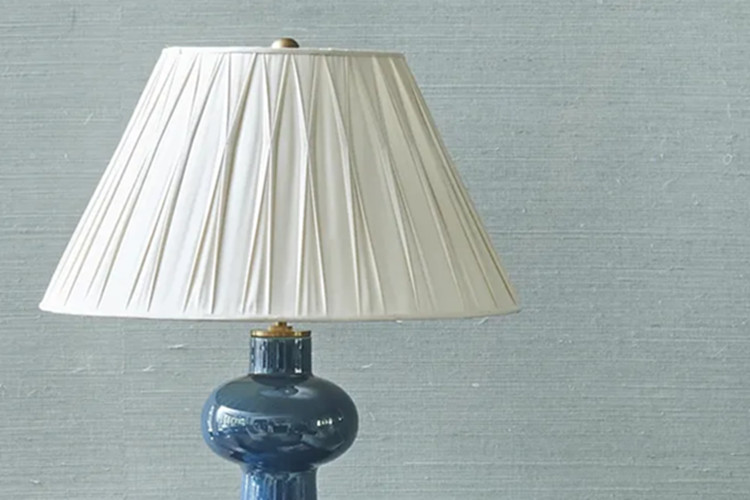
2. Glass Table Lamps: Timeless Elegance
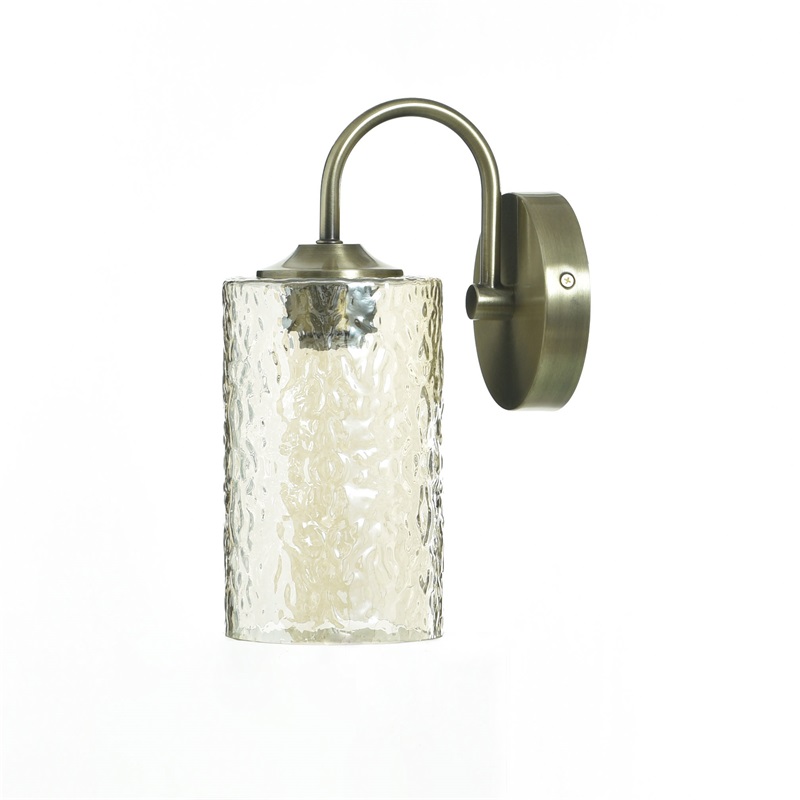
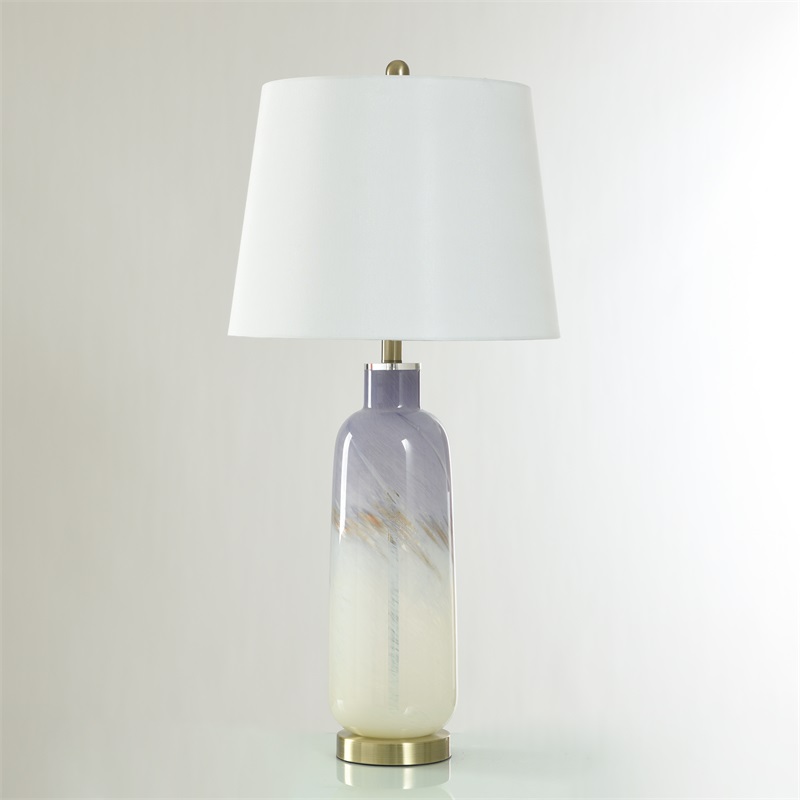
Glass table lamps exude an elegant and refined aura, making them a timeless addition to any room. Whether transparent or colored, glass has a smooth, glossy surface that perfectly complements both modern and classic décor. Glass table lamps come in a wide variety of styles, from minimalist designs to exquisite artistic shapes. The reflective surface of glass enhances light diffusion, creating a soft and warm atmosphere. Its transparency also makes a space appear more open and uncluttered, further enhancing the charm of glass table lamps.
1) Types of Glass Used in Table Lamps
Glass table lamps offer a diverse range of styles, from transparent modern lamps to colorful retro styles. Transparent glass table lamps create a minimalist aesthetic, making them ideal for modern homes; frosted glass softens light, creating a warm and comfortable atmosphere. Colored glass table lamps add an artistic touch, making them a perfect finishing touch in traditional or retro-style homes. Each type of glass can give a space a different atmosphere, allowing you to create your room's style as you wish.
2) Advantages of Glass Table Lamps
Glass table lamps are highly praised for their ability to evenly diffuse light, creating a warm and inviting atmosphere. This material can also add a touch of elegance to any space, making it an ideal choice for various styles, from modern to classic. In addition, glass is relatively easy to maintain; a simple wipe is all it takes to keep it looking new. However, glass is fragile, so it's best placed in locations where it won't be easily knocked over.
3. Metal Table Lamps: Durable and Modern
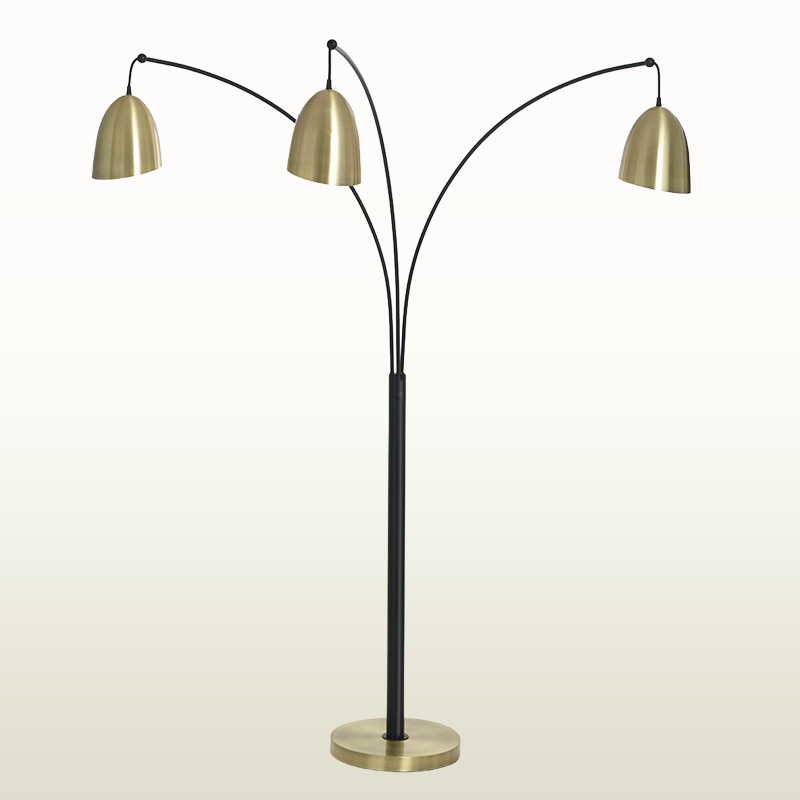
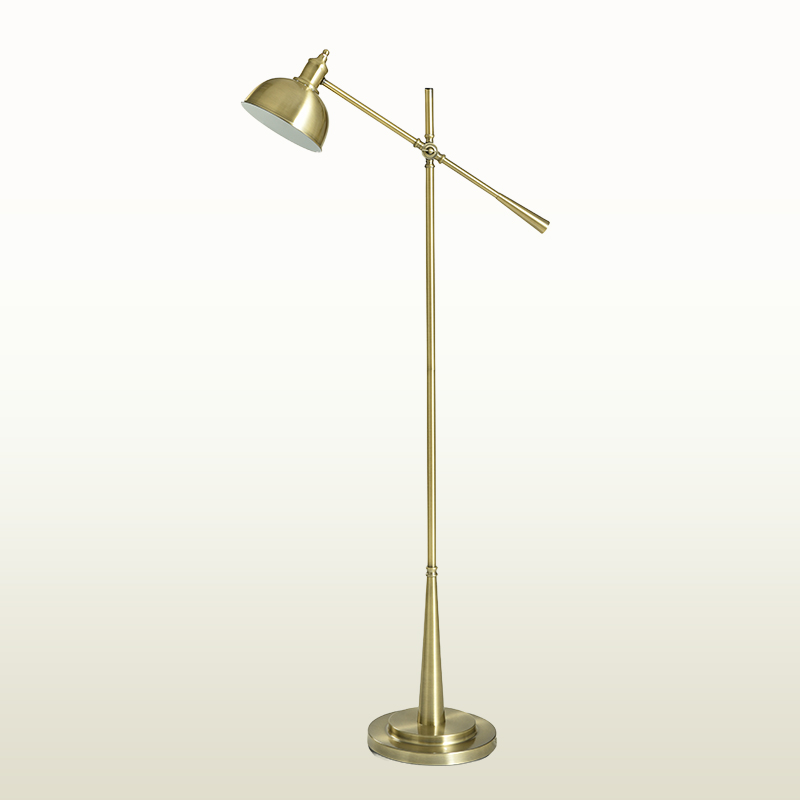
Metal table lamps are known for their durability and stylish, modern look. These lamps are typically made of materials such as stainless steel, brass, or aluminum, making them both sturdy and beautiful. Metal lamps are perfect for industrial, modern, or minimalist spaces, creating a bold and contemporary atmosphere. Their smooth surfaces and polished finishes reflect light beautifully, adding a touch of elegance to your décor. Furthermore, metal lamps are low-maintenance and highly durable, making them ideal for everyday use.
1) Commonly Used Metal Types in Lamp Design
Metal table lamps are popular for their durability and versatility. Brass and copper table lamps add a warm, vintage charm to your home décor, while stainless steel and aluminum table lamps offer a stylish, modern design. These metals are not only sturdy and durable but also lend a sophisticated, professional feel to any space, perfectly complementing industrial or minimalist home environments. A wide range of surface finishes allow you to find a metal table lamp that perfectly matches your design style.
2) Advantages of Metal Lamplighting
A major advantage of metal table lamps is their durability. These lamps can withstand daily wear and tear, making them ideal for high-traffic areas or homes with children and pets. Metal table lamps also have excellent heat resistance, so you don't have to worry about overheating even after prolonged use. Furthermore, the industrial minimalist aesthetic of metal perfectly complements modern home décor, combining practicality and style.
4. Wooden Table Lamps: Natural Warmth
Wooden table lamps bring warmth and a natural feel to your home, making them an ideal choice for creating a cozy and comfortable atmosphere. The natural grain and texture of wood give them a rustic charm that blends perfectly with both traditional and modern interior design styles. Whether it's oak, walnut, or bamboo, wooden table lamps exude timeless charm and complement various decorating styles. These lamps come in a wide variety of styles, from minimalist designs to exquisite handcrafted pieces, adding personality to your space. Wood can also be perfectly paired with other materials such as fabrics or metals, creating a versatile and natural visual effect.
1) Types of Wood Used
Wooden lighting designs add a natural and rustic touch to any room. Commonly used woods such as oak, pine, and walnut offer diverse tones and textures, each with its own unique grain pattern. Oak is known for its strength and durability, pine is lightweight and affordable, while walnut presents a rich, deep hue. These wooden lighting designs not only add warmth but also create a sense of authenticity and craftsmanship.
2) Why Choose Wood for Lighting Fixtures
If you want to add a touch of nature to your space, wooden lighting fixtures are undoubtedly an excellent choice. The natural grain and warm tones of wood can soften the overall design of a room, creating a warm and comfortable atmosphere. Furthermore, wood is a sustainable lighting material, so choosing wooden lighting fixtures also reflects your environmentally conscious lifestyle. Whether it's a rustic country style or a sophisticated modern style, wooden lighting fixtures exude timeless beauty and charm.
5. Ceramic Table Lamps: Artistic and Customizable
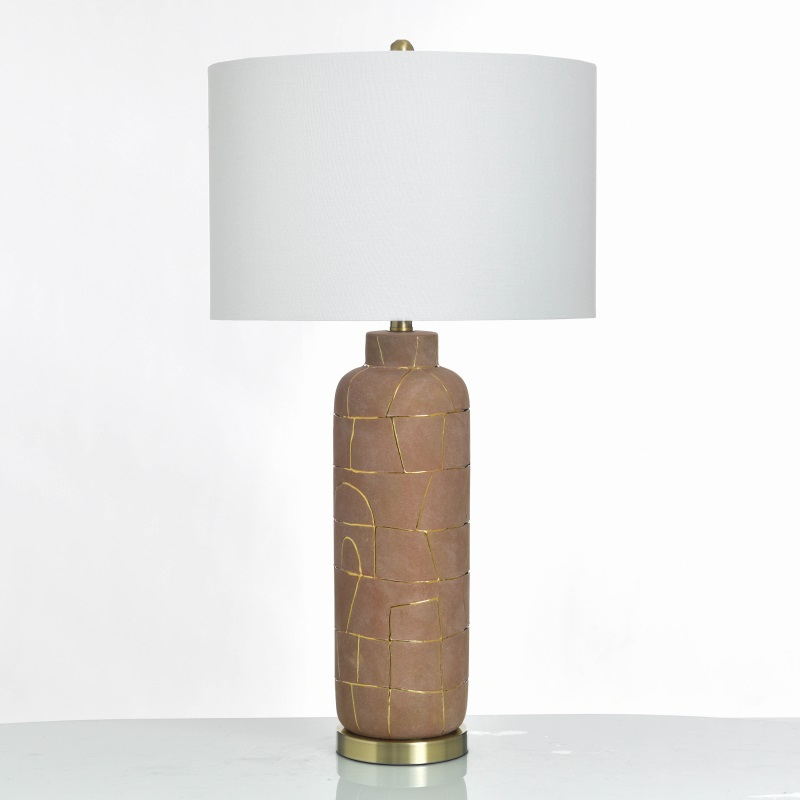
Ceramic table lamps are highly sought after for their artistry and customizability. The versatility of ceramic allows for a wide variety of designs, from smooth, glossy surfaces to richly textured or hand-painted patterns. With their exquisite craftsmanship, ceramic table lamps often become eye-catching decorative pieces, adding personality and charm to a room. They can be made in almost any color, shape, or design, allowing for a high degree of personalization. These lamps perfectly blend artistry and practicality, making them ideal for adding a personal touch to your space.
1) Advantages of Ceramic Lamps
Ceramic table lamps are renowned for their artistic appeal. They offer a wide selection of shapes, sizes, and colors to suit your individual needs and room design style. Handcrafted ceramic table lamps are especially prized for their unique and one-of-a-kind appearance. Furthermore, their excellent heat resistance makes them a safe and practical choice. Whether you prefer a bold and avant-garde artistic style or a low-key and elegant look, ceramic table lamps offer endless possibilities.
6. Fabric Lampshades: Soft and Comfortable
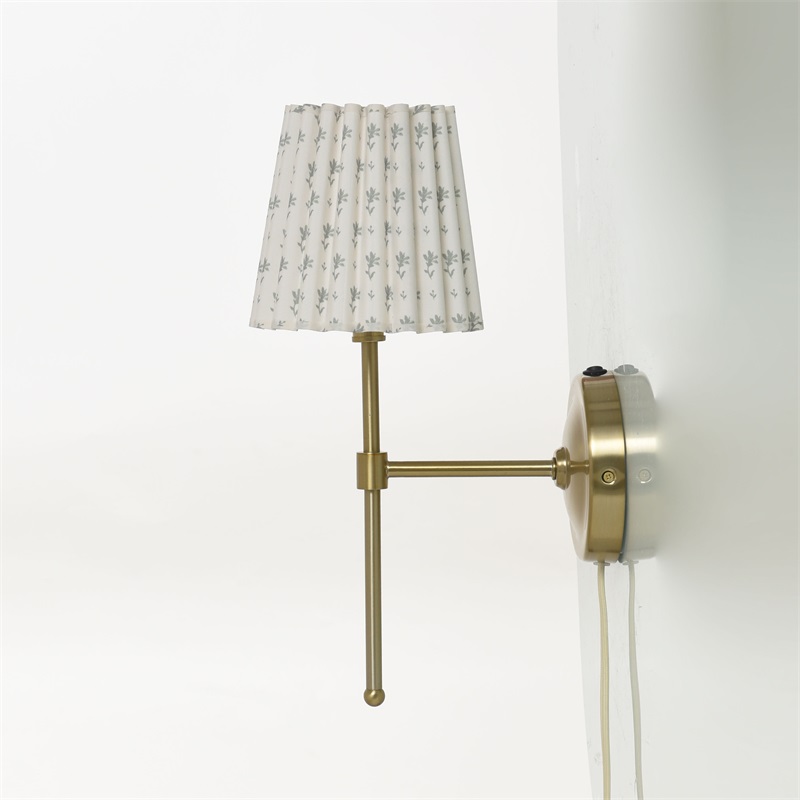
Fabric lampshades softly diffuse light, creating a warm and cozy atmosphere. They are typically made of materials such as linen, cotton, or silk, each with its own unique texture and light-diffusing effect. Fabric lampshades come in a wide variety of colors and patterns, making it easy to match with your existing home décor. They add a warm and pleasant glow, perfect for living rooms, bedrooms, or reading nooks. Furthermore, fabric lampshades soften the brightness of the bulb, making the light more gentle and avoiding glare.
1) Why Fabric is Suitable for Table Lamps
Fabric lampshades are popular for creating soft, diffused light, adding a warm and comfortable atmosphere to a room. They come in a rich variety of textures, colors, and patterns, offering endless customization options. Whether you want a striking bright color or a low-key neutral tone, fabric lampshades complement almost any décor style perfectly. In addition, the fabric material softens direct light, creating a relaxed and comfortable atmosphere, ideal for living rooms or bedrooms.
2) Fabric Lampshade Maintenance
Fabric lampshades may accumulate dust over time, but with regular maintenance, they can last for many years. To maintain a clean and shiny appearance, simply use a lint roller or a vacuum cleaner with a soft brush head. For deep cleaning, consider spot cleaning with a mild detergent. Proper maintenance will ensure your fabric lampshade always looks new.
7. Other Unique Materials: From Concrete to Bamboo
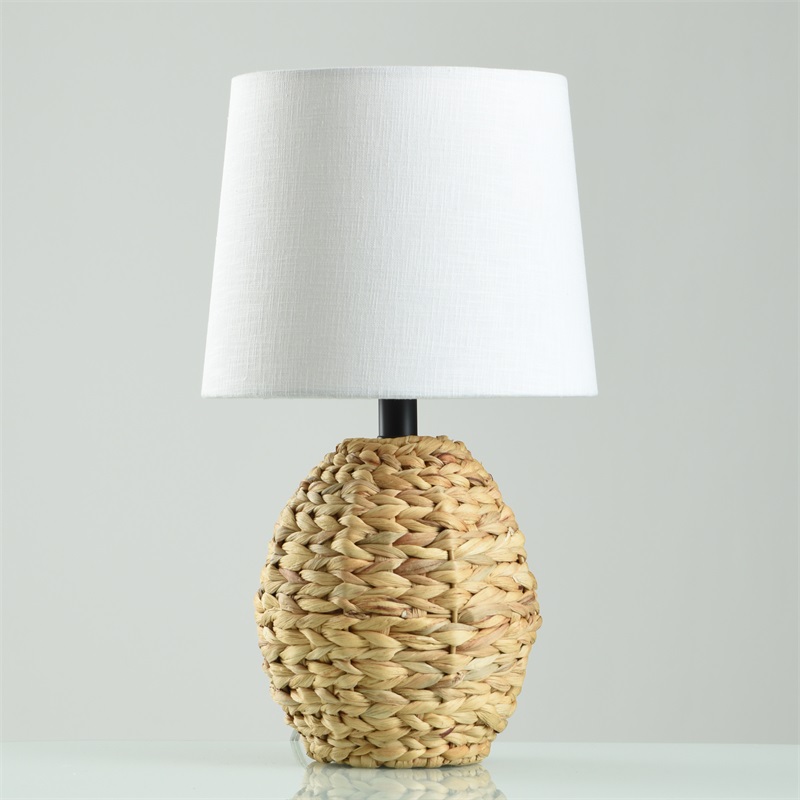
For those who want to create a distinctive space, table lamps made from unique materials such as concrete or bamboo offer a unique visual effect. Concrete table lamps exude a modern industrial vibe, and their solid, rugged texture adds a touch of minimalist beauty to any space. Bamboo, on the other hand, brings a natural and eco-friendly atmosphere, perfectly matching bohemian or tropical styles. Other unique materials such as rattan, marble, and even resin can also give table lamps a unique artistic feel. These unconventional choices inject endless creativity and innovation into your lighting design.
1) Innovative Choices in Table Lamp Design
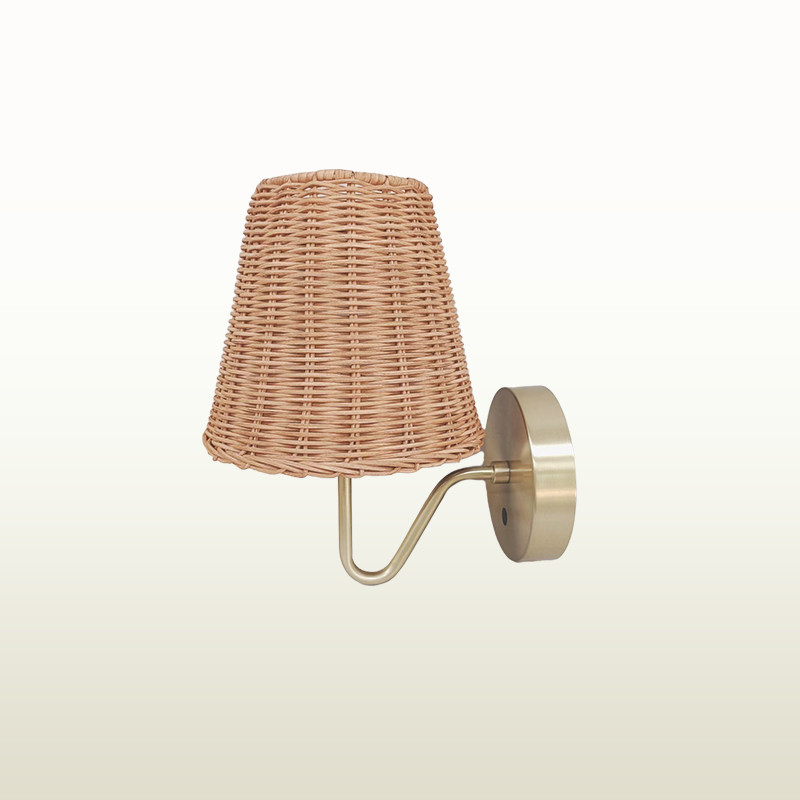
If you want to create an eye-catching style, consider some unconventional table lamp materials, such as concrete, bamboo, or rattan. Concrete table lamps add an industrial and modern feel to your space, while bamboo is lightweight and environmentally friendly, ideal for bohemian or tropical décor. Rattan gives table lamps texture and natural beauty, perfect for creating a relaxed beach atmosphere. These unique table lamp designs can make your lamps stand out and add personality to your room.
2) Material Combinations for a Unique Look
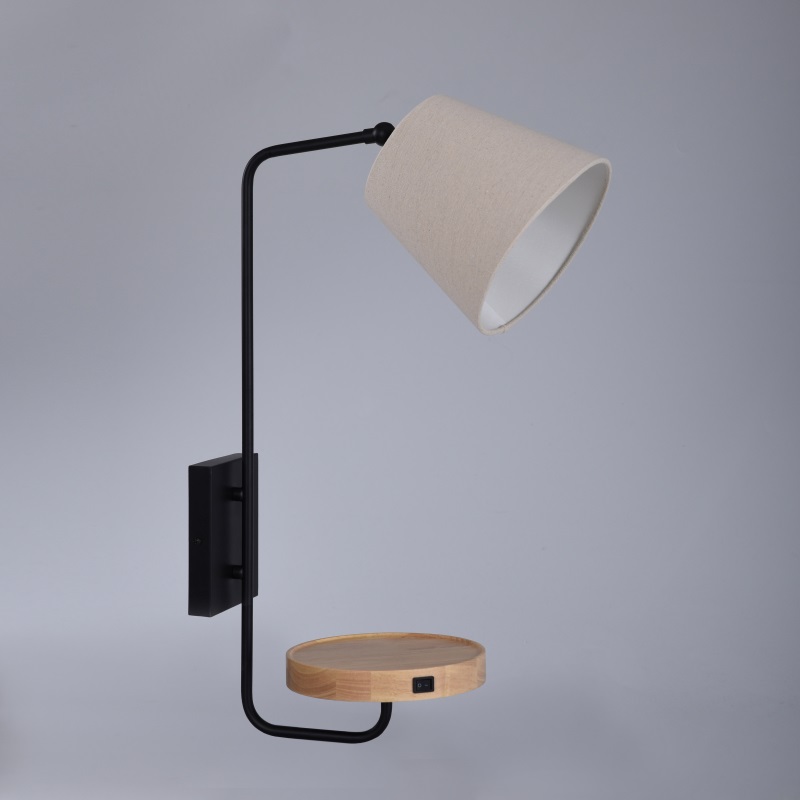
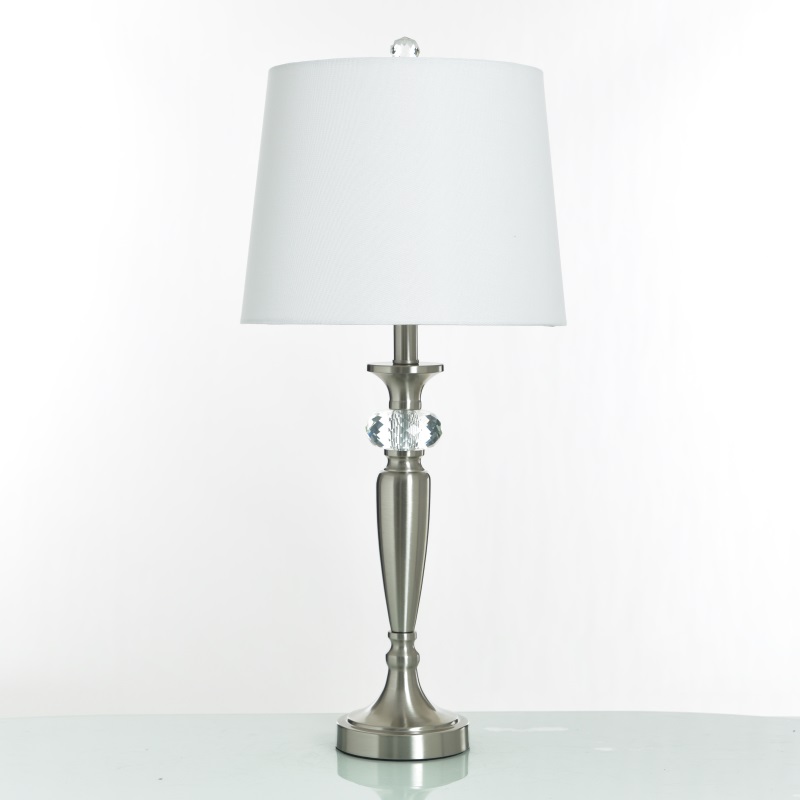
Cleverly using different materials in table lamp design can create highly creative and eye-catching effects. For example, a table lamp with a metal base and wooden stand blends modern and rustic elements, creating a balanced yet individualistic style. The combination of glass and metal is both elegant and durable; the pairing of ceramic and fabric exudes a soft yet artistic charm. The skillful use of different materials and finishes can make the table lamp a visual focal point of the room. Furthermore, the mixing of materials gives table lamps greater flexibility, allowing them to blend perfectly with various decorating styles and create a more personalized and unique visual effect.
3) Why Mixed-Material Lamps Stand Out
Integrating different materials into a single table lamp can create a dynamic and eye-catching piece. For example, the combination of metal and wood offers both the durability of metal and the warm texture of wood. This combination allows the lamp to blend seamlessly with various design styles. Mixed-material table lamps are not only practical but can also become decorative focal points, achieving a perfect balance between practicality and aesthetics.
8. Choosing the Right Materials for Your Space
Choosing the right table lamp material depends on the style and function of the room, as well as the atmosphere you want to create. In a modern or minimalist room, a sleek metal or glass table lamp might be a perfect choice; while in a country or traditional space, a wooden or ceramic table lamp would be more suitable. Consider the durability and maintainability of the material, especially in high-traffic areas where the lamp may wear and tear. Also consider the type of light the material will produce—whether it's a soft, diffused light or a brighter, more direct light. 1) Consider the Room's Design Style
When choosing a table lamp, be sure to consider the overall design style of the room. A clean, modern room might be better suited to a metal or glass lamp, while a country or traditional room might coordinate better with a wooden or ceramic lamp. Understanding the room's aesthetic style will help you choose a material that enhances the overall atmosphere and creates a harmonious visual effect.
2) Functional Considerations
Besides aesthetics, consider the practicality of the lamp, such as durability, ease of cleaning, and heat resistance. For example, metal lamps are more durable and therefore ideal for high-traffic areas. While glass and ceramic lamps are beautiful, they may require more careful handling. Consider how you will use the lamp and choose a material that matches both your style and practical needs.
9. Maintenance Tips for Different Lamp Materials
Different lamp materials require different maintenance methods to maintain their optimal condition. Glass lamps should be wiped with a soft cloth and glass cleaner to maintain their clear shine. Metal lamps need regular dusting and occasional polishing to prevent loss of luster or rust. Wooden lamps can be cleaned with a damp cloth and mild soap, then a wood polish can be applied to protect the surface. Fabric lampshades should be dusted or vacuumed to remove accumulated dust, and spot cleaned if necessary. Regular maintenance helps extend the lifespan and appearance of the lamp, ensuring it remains both practical and decorative for years to come.
1) How to Care for Glass Lamps
Maintaining glass lamps is relatively simple. Wipe the surface with a soft, damp cloth to maintain its shine. Avoid using harsh chemicals, as they can damage the glass. Regular cleaning ensures your glass lamp always maintains its elegant appearance and bright shine.
2) Maintenance of Metal Lamp Fixtures
Metal lamps should be wiped with a soft cloth to avoid scratches, and the surface should be polished regularly to maintain its shine. Stainless steel lamps are particularly easy to maintain; simply wiping with a damp cloth will maintain their smooth, modern look.
3) Keeping Wooden and Ceramic Lamp Fixtures in Optimal Condition
Wooden lamps require regular dusting to keep them looking new. You can also use a wood polish to maintain their natural luster and prevent wear. For ceramic table lamps, gentle cleaning is key to avoiding bumps or cracks. A simple damp cloth is all it takes to keep a ceramic table lamp looking brand new.
Conclusion
Choosing the right material for your table lamp is crucial, balancing functionality and aesthetics. Whether you prefer the timeless elegance of glass, the durability of metal, the warm texture of wood, or more individualistic options like bamboo or concrete, there's a perfect material for your table lamp. When choosing a table lamp, consider both the aesthetics and practicality of each material to make an informed decision and add brilliance to your space.