How does a Table Lamp Circuit Work?
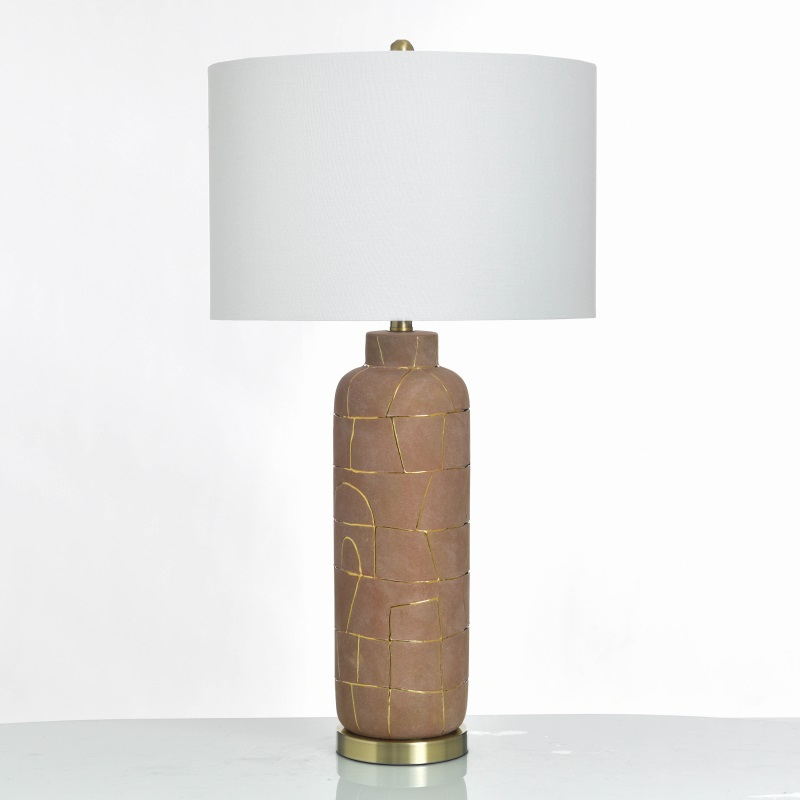
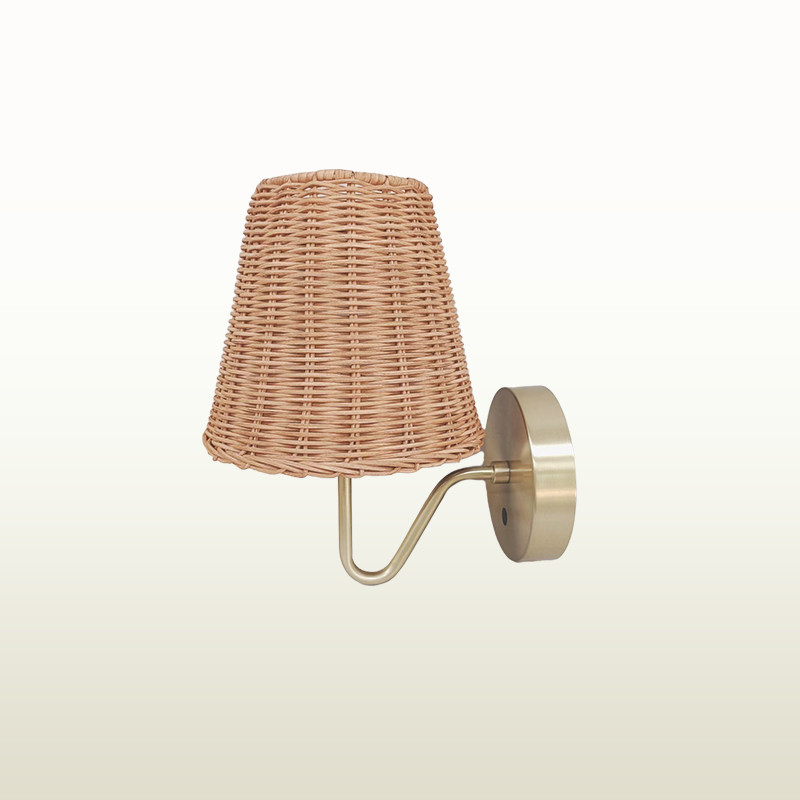
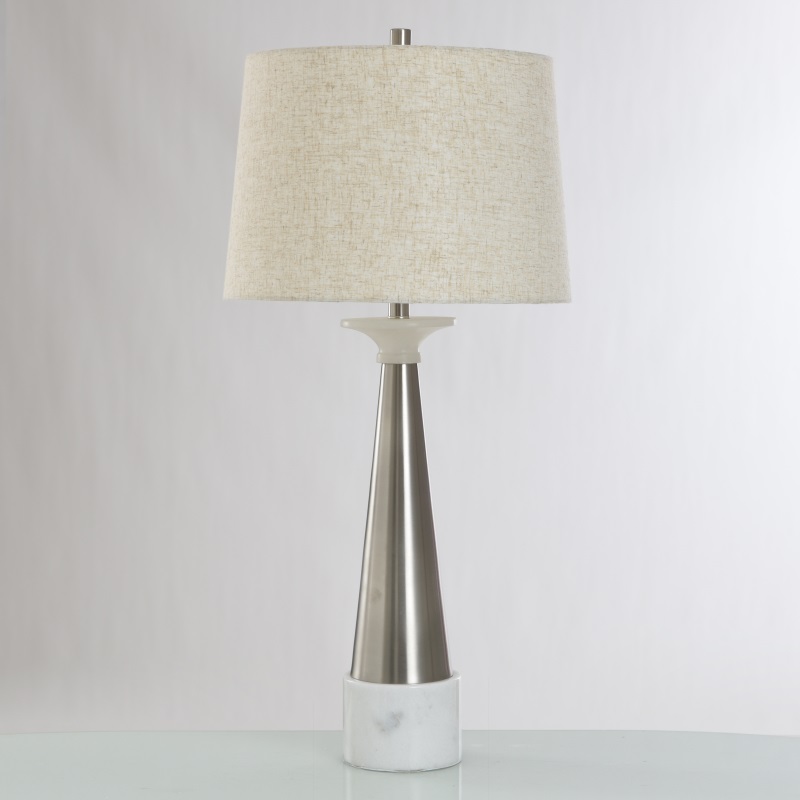
A table lamp is a type of lighting fixture. Besides providing illumination, its portability and diverse design make it an indispensable item in daily life. Whether on a bedroom nightstand or at work or school, table lamps are frequently used. The following article will provide a detailed analysis of the circuitry behind table lamps and some recommendations for purchasing.

Table Lamp Circuit Principle
1. Working Principle Based on Switching Variable Control
To control the brightness of a table lamp using switching variables, a PWM (pulse-width modulation) scheme can be used. The core principle of PWM is to adjust the power and brightness of the bulb by varying the duty cycle (pulse width). The specific steps are as follows:
Control signals are transmitted through electrically isolated coupling (such as an optocoupler).
The on-time of the switching diode is controlled to adjust the load power.
The bulb power supply requires direct current (DC), which is converted from AC to DC through rectification.
When selecting the switching diode, consider its voltage resistance and the characteristics of the bulb power supply to ensure the safety and stability of the device.
2. Analog Control Principle
If analog control is used to control the brightness of a lighting fixture, a thyristor (SCR) solution can be used. This solution controls the load power and brightness by adjusting the conduction angle of the SCR. Implementation methods include:
A microcontroller outputs a PWM wave, which is then smoothed and filtered by a capacitor to generate a control voltage.
A microcontroller connected to a D/A converter directly generates the control voltage (this method is more expensive).
This method is suitable for scenarios requiring precise brightness adjustment.