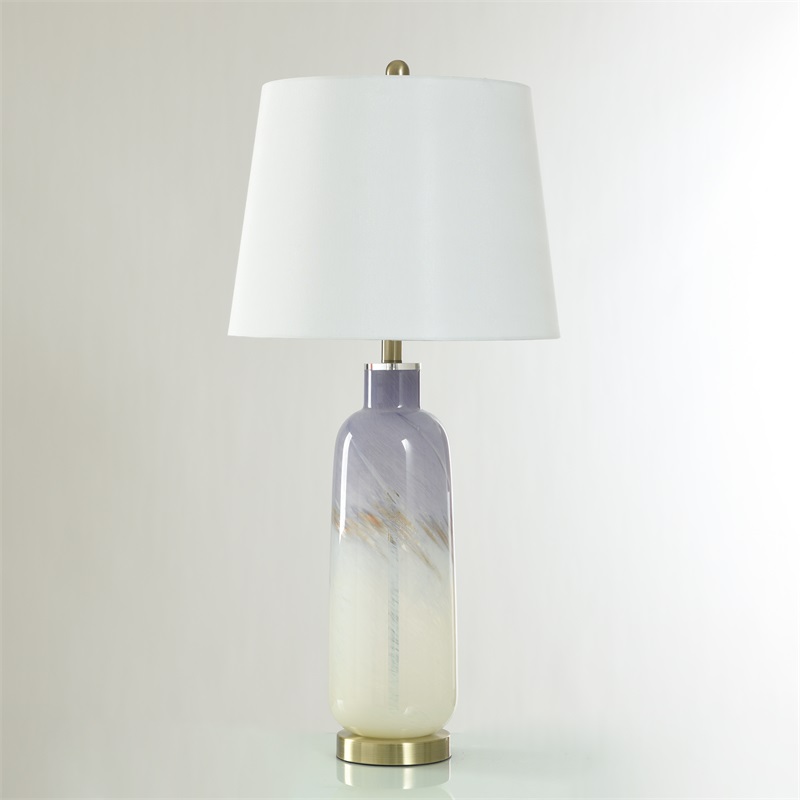
The Direction of Modern Table Lamp Design
In the field of industrial design, table lamps and chairs have always been classic products that designers are keen to challenge. Since the first table lamp was introduced in 1932, over the past century, the appearance of table lamps has been constantly evolving, but functional breakthroughs have been relatively limited. With the changes in modern lifestyles, desk items have expanded from simple books to various electronic devices, and the lighting range and functions of traditional table lamps are no longer able to meet these needs. So, what are the innovative directions for modern table lamp designers? The following will explore several key aspects.
1. Minimalist Design: Balancing Function and Aesthetics
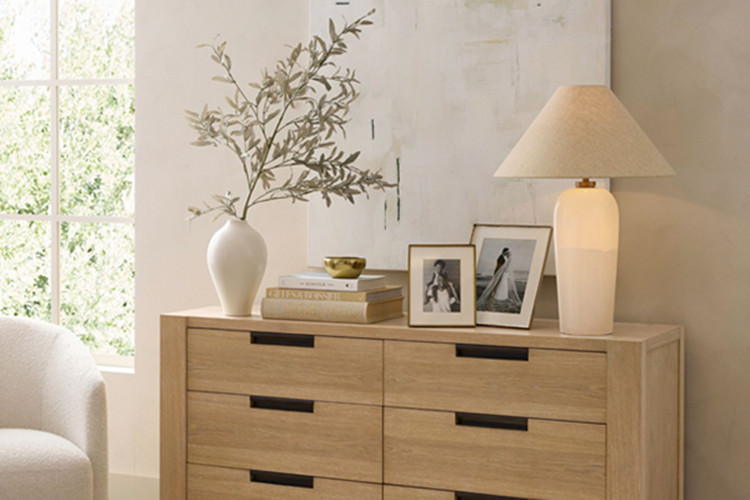
Modern table lamp designers tend to adopt a minimalist style, achieving a balance between function and aesthetics through "subtractive design." They eliminate complex structures and unnecessary decorations, pursuing a simple and transparent design language. This design not only enhances the product's visual beauty but also enhances user convenience. For example, the table lamp can be turned on and off by simply pressing a metal ring, which embodies meticulous engineering and aesthetic considerations.
2. Expanded Illumination Range: Meeting Diverse Usage Needs
The illumination range of traditional table lamps is often limited to the center of the desk, failing to reach the corners. To address this issue, designers have developed lamps with an ultra-wide illumination range, capable of covering an area of 100 cm. This type of lamp offers a range 1.5 times greater than that of a typical table lamp and can even illuminate the four corners of a 32-inch monitor, providing users with more comprehensive lighting support.
3. Protecting Eyesight: Improving Light Source Quality
Light uniformity is crucial for eye comfort. Traditional table lamps often have a bright center and dim ends, which can easily cause eye fatigue. To address this, modern table lamp designers use IC chips specifically designed for flicker-free panels, ensuring a flicker-free light source and stable lighting. Furthermore, while LED lights are popular for their energy efficiency, environmental friendliness, and long lifespan, the harmful effects of blue light have also drawn attention. Designers are working to develop LED lamps that can simulate natural light conditions to provide a safer and more comfortable lighting experience.
4. Intelligent Adjustment: Adapting to Different Scenarios
Different scenarios require different lighting needs. For example, white light is ideal for work, while yellow light is preferred for rest or sleep. Traditional table lamps typically only have brightness adjustment features, making them difficult to meet diverse needs. Future smart table lamps will support 11 brightness levels and 11 color temperature adjustments, ranging from 2700K to 5700K. Users can freely switch between bright white light and warm yellow light to suit various scenarios, such as work, reading, and rest.
5. Market Prospects and User Expectations
With the gradual implementation of the above-mentioned innovative designs, some table lamps with these features have already appeared on the market. Although their prices are slightly higher than those of ordinary table lamps, they are still within an acceptable range. In the future, as the technology matures and production scales up, these table lamps are expected to become popular and become the preferred choice in more homes and offices.
Conclusion
Modern table lamp design is moving towards minimalism, functionality, and intelligence, providing users with a more comfortable and efficient lighting experience.