is a Table Lamp Worth It?
We often treat lighting as a secondary factor, prioritizing the desk itself or an ergonomic chair. However, nothing can ruin a sophisticated interior design or impact your productivity more than poor lighting. In your search for the ideal table lamp, you've probably heard the term "Awesome Table Lamp." It has become synonymous with a category of lighting products that emphasize functionality, adjustability, and technical precision.
As an interior designer, I examine these top-tier table lamps from two perspectives: Do they truly perform as well as the technical reviews claim? More importantly, will they disrupt the visual harmony of a carefully arranged room? This guide will explore whether these technically superior table lamps can complement high-end aesthetics.
1. Key Features to Consider
Before incorporating a work lamp into your design scheme, consider the following key factors to ensure it meets both functional and aesthetic standards:
1) Color Rendering Index (CRI): Choose a product with a CRI value of 90 or higher. This ensures that wood grain and fabric textures appear rich and accurate, rather than dull and lifeless.
2) Mobility and Tension: A high-quality table lamp should remain stable and not sag. Check for a balance spring or high-quality friction hinges.
3) Color Temperature Adjustment: The ability to switch between cool light (for focusing) and warm light (for creating ambiance) is crucial for a living space.
4) Visual Weight: Ensure the base is heavy enough to prevent tipping, yet small enough not to take up too much space on your work surface.
5) Material Surface Finish: Matte finishes generally look more refined and hide fingerprints better than high-gloss plastic or chrome.
2. Balancing Form and Function
When clients consult me for table lamp recommendations, they are usually looking for reliability. However, from a design perspective, we must analyze the form of the lamp. Many highly rated professional table lamps have a cool, industrial style. If you want to use this type of lamp in a cozy home study, you need to pay special attention to the surface finish.
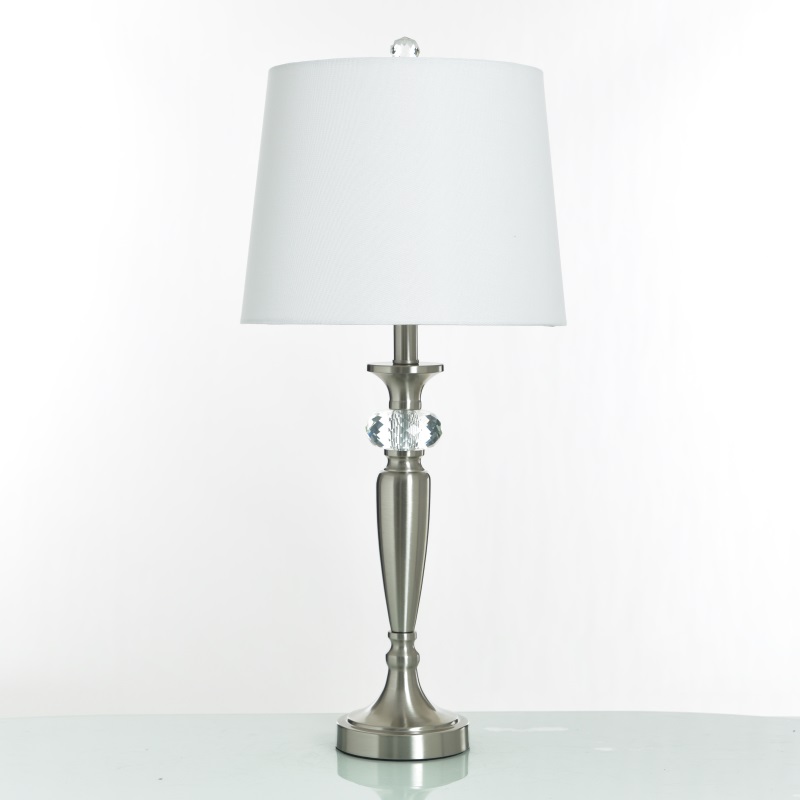
Avoid choosing plain white plastic. Instead, look for finishes such as brushed metal, matte black, or soft gray. These finishes make table lamps less obtrusive when not in use, unlike other office equipment. Wirecutter's top-rated table lamps are generally high-performing, but you must ensure their design harmonizes with the style of your desk.
3. The Importance of Light Quality
A major reason to invest in a quality table lamp is the quality of its LED bulbs. Cheap table lamps often produce a slight flicker—invisible to the naked eye, but it can cause eye strain. These recommended lamps come with high-end drivers that provide stable light. Also, pay attention to asymmetrical light distribution. This design evenly distributes the beam across the desktop, rather than creating a glare directly under the bulb, significantly reducing eye strain.
4. Adjusting the Bedroom Environment: The Bedside Scene
Interestingly, many homeowners repurpose these table lamps as bedside lamps, using them to hold their wire cutters. This is a brilliant idea for book lovers. Traditional fabric lampshades, while creating ambient light, aren't ideal for reading. A precisely adjustable table lamp allows you to project light precisely onto the pages without waking your partner.
If you're using a cordless reading lamp in your bedroom, make sure the LEDs emit a warm-toned light (2700K to 3000K). Blue light, common in offices, can suppress melatonin production and affect sleep quality. Many high-end models now come with a dedicated "sunset" mode for this purpose.
5. Lessons Learned from My Project: The "Click" Factor
I want to share a detail never mentioned in the specifications sheet, a lesson I learned the hard way when renovating my pre-war apartment's home office. I had chosen a table lamp that had received high praise for its lighting on Wirecutter. It looked beautiful in the photos too.
However, the tactile experience after installation was disappointing. The switch was a capacitive touch sensor with extremely low sensitivity—it required three taps to find the correct position. Furthermore, while the base was heavy, the felt material on the bottom was too slippery on the client's walnut lacquered tabletop. Every time I adjusted the lamp arm, the entire lamp would slide across the surface.
Since then, I always test the "friction" of the base and the tactile feel of the control buttons. Physical toggle switches or rotary dials are generally more sophisticated and satisfying than cheap touch sensors. It's these subtle tactile interactions that define the quality of a room.
Conclusion
Choosing the right table lamp is more than just buying a tool; it's an investment in your daily comfort and the ambiance of your room. Selecting a lamp with a high color rendering index, adjustable angle, and a design that complements your interior décor can elevate a simple, practical item into a focal point of your workspace.