How to Use Table Lamps for Multi-Functional Spaces?
Using table lamps is one of the most subtle and stylish ways to make a room more functional.
In multi-functional spaces—such as a guest room that doubles as a home office or a living room that can be converted into a yoga room—table lamps are more than just decorative; they are tools for changing the atmosphere and defining different areas.
Here are some ways to cleverly use table lamps to illuminate a multi-functional room.
1. Create Dedicated "Zones" with Light
In a multi-functional room, the biggest challenge is visually dividing the space. Table lamps are perfect for this task because they cast focused light.
1) Work Area: Place a bright, adjustable table lamp on your desk. This light tells your brain, "Time to work." Choose a table lamp with a focused beam and adjustable brightness to reduce eye strain.
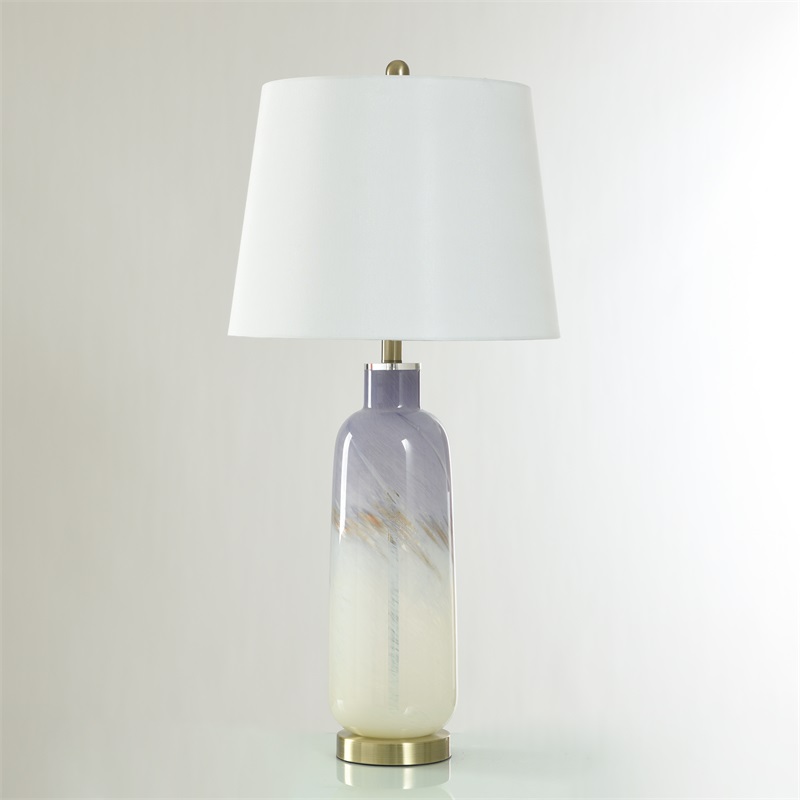
2) Relaxation Area: Place a warm-toned table lamp on a side table next to a sofa or armchair. This creates a comfortable and private lighting space, perfect for relaxing, reading, or browsing your phone.
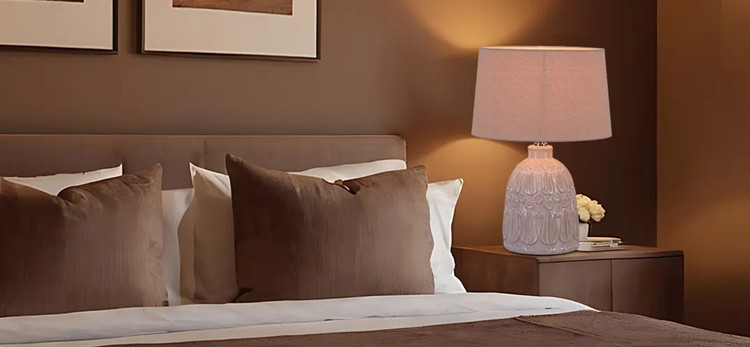
3) Guest Area: If your office has a sofa bed, placing a table lamp on the bedside table next to it signals to guests that this is their private and comfortable sleeping space.
2. Changing the Atmosphere with Dimming and Color Temperature
Multi-functional table lamps are a great example. An adjustable table lamp can completely transform the atmosphere of a room in seconds.
1) Bright Cool Light (4000K-5000K): Use this mode for focused work, cleaning, or any activity requiring high alertness and clear vision.
2) Warm and Soft Light (2700K-3000K): Switch to this mode for dinner, movie nights, or meditation. Warm and soft light can promote melatonin production, helping you and your guests relax.
3) Midday Boost: If your space lacks natural light, a bright table lamp with a cool tone can simulate sunlight, helping you combat afternoon drowsiness and keep your biological clock running smoothly.
3. Choosing the Right Table Lamp
The design of a table lamp is just as important as the bulb itself.
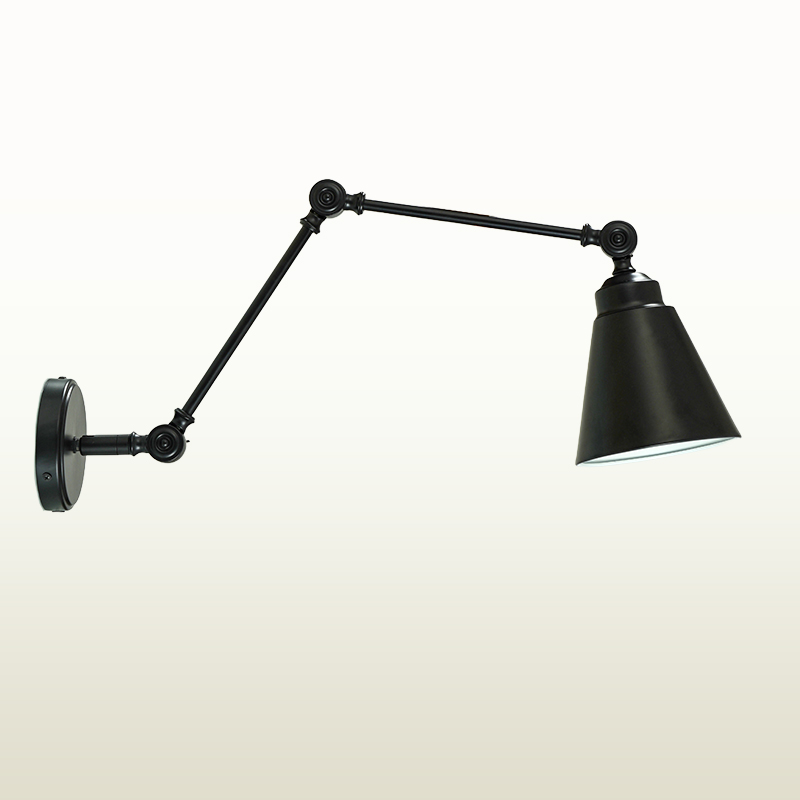
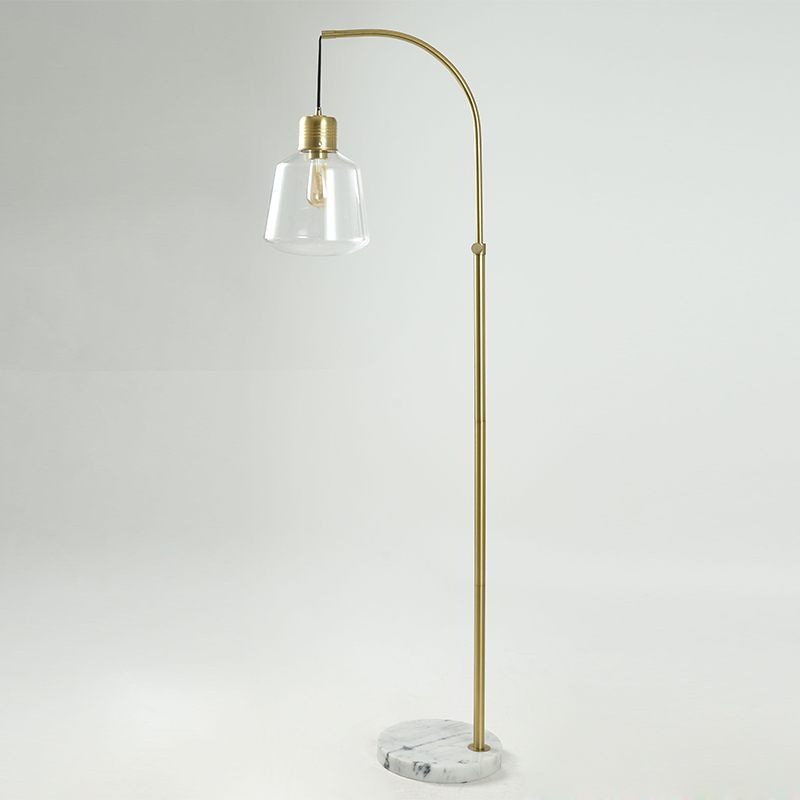
1) Flexible and Convenient: Table lamps with adjustable angles or rotating arms (often called "banker lamps") are a perfect choice. You can mount them on a desktop or wall, precisely projecting light to the desired location, and easily push them away when finished.
2) Space-Saving: Opt for clip-on table lamps, which can be fixed to the edge of a desk or near a headboard. They provide high-quality lighting without taking up any valuable desk space.
3) Multifunctional: Consider choosing a multifunctional LED table lamp. Many LED table lamps now have built-in USB chargers, wireless phone chargers, and even Bluetooth speakers. This helps keep your desk tidy and maximizes limited outlet space.
4. Mastering Comfortable Lighting Positions
Poor lighting can cause eye strain and headaches. Good lighting doesn't cause discomfort.
1) Eliminate Glare: Never place an exposed bulb directly in your line of sight. Use a lampshade to direct the light downwards (for work lighting) or upwards (for ambient lighting).
2) Balance Room Lighting: If you use a bright table lamp on one side of a room, place a soft ambient light on the other. This balances light intensity and prevents harsh shadows that can make the room appear smaller.
Practical Tips About Light Bulbs
Always check the color rendering index (CRI) of the light bulb. Try to choose bulbs with a CRI of 90 or higher. This means the bulb accurately reproduces colors. In a multi-functional room, you might be doing your makeup in the morning, painting in the afternoon, and dining in the evening—accurate color reproduction ensures you look radiant and energetic in any situation.
Think of your table lamp as a portable "ambience switch," allowing you to easily switch between different atmospheres in the same room, from a vibrant office and a tranquil bedroom to a cozy living room, without changing any furniture!