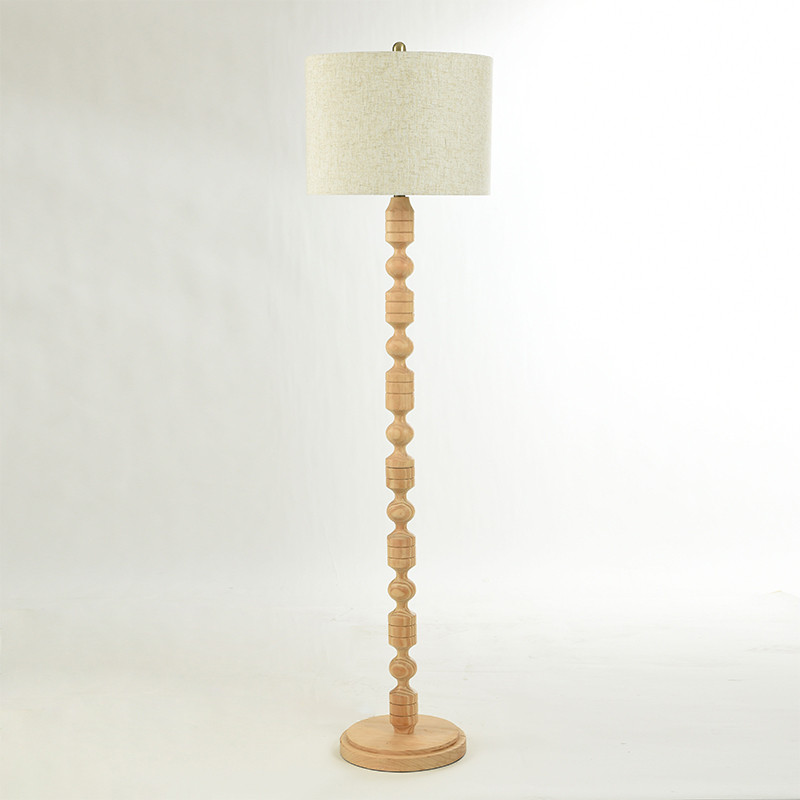
How to Make a Table Lamp?
Making a table lamp by hand not only satisfies your personalized lighting needs but also allows you to learn basic structural construction and circuit connection knowledge through practice. Below is a detailed guide to making a simple table lamp:
1. Material Preparation
1) Main Structure Materials:
* Base: A wooden square base or acrylic sheet is recommended (it needs to have sufficient weight to ensure stability). You can also use heavy objects such as old cardboard boxes.
* Stand: You can choose a hollow metal rod, a thick straw, or bamboo chopsticks, etc., to support the lampshade and determine the height of the table lamp.
* Lampshade: Disposable paper cups, plastic bottles, or opaque materials can be used to protect the bulb and control the direction of light.
2) Light Source and Circuit Components:
* Light Source: LED beads or modules (3-5V) are preferred as they are energy-saving and generate little heat.
* Power Supply: Battery box (with switch) or USB power module.
* Wires and Switch: Red and black copper core wires (to distinguish positive and negative terminals), a small rocker switch or push-button switch.
3) Auxiliary Tools:
Hot glue gun, insulating tape (flame retardant), wire strippers, scissors or knife, etc.
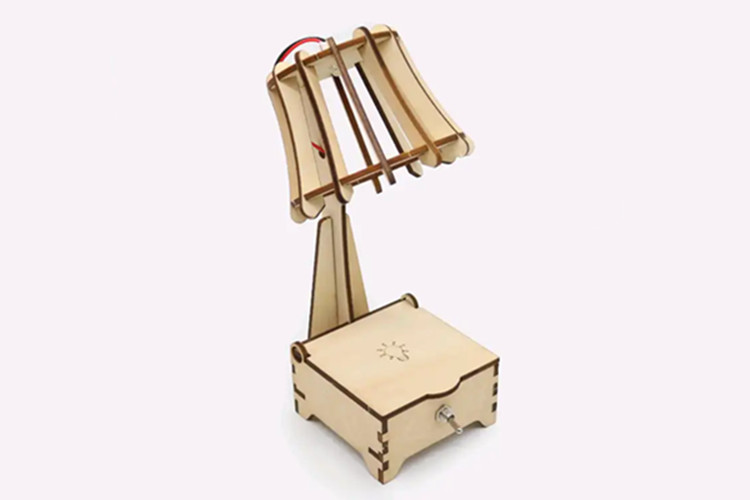
2. Manufacturing Steps
Step 1: Assemble the Base and Bracket
Mark the center of the base and drill a hole. Insert the bracket into the hole. If using screws, drill additional holes along the edge of the table lamp base for reinforcement; if using glue, apply hot glue and insert the bracket firmly until it hardens.
Step 2: Treat the Wires and Circuit Connections
Use wire strippers to remove approximately 5mm of insulation from both ends of the wires. Connect the red wire (positive) to one end of the switch, and the other end of the switch to the LED positive terminal; connect the black wire (negative) directly to the LED negative terminal and the battery box negative terminal, forming a series circuit.
Step 3: Install the Light Source and Reinforce the Structure
Drill a small hole in the bottom of the lampshade. Pass the wire through the bracket into the lampshade and secure the LED inside. Check the overall structure; gently shake the bracket to ensure the base is stable and the wires are not pulled.
Step 4: Insulation Treatment and Testing
Wrap all wire joints with electrical tape or use heat shrink tubing, ensuring no copper core is exposed to prevent short circuits. Insert the battery and turn on the switch to test if the bulb lights up normally.
Step 5: Appearance Decoration and Aesthetics
Decoration can be done according to personal preferences. For example, sand the wooden base and apply clear varnish, or wrap hemp rope around the outside of the stand and attach stickers to enhance the table lamp's aesthetics.
3. Safety Precautions
1) Electrical Safety: All wiring connections must be properly insulated and sealed to prevent the risk of short circuits.
2) Tool Safety: Be extremely careful when cutting with a knife or drilling holes to avoid cuts.
3) Heat Dissipation: If using a bulb that generates a lot of heat, an open design for the top of the lampshade is recommended to facilitate heat dissipation.