Floor Lamps vs Table Lamps: Which One Is Better?
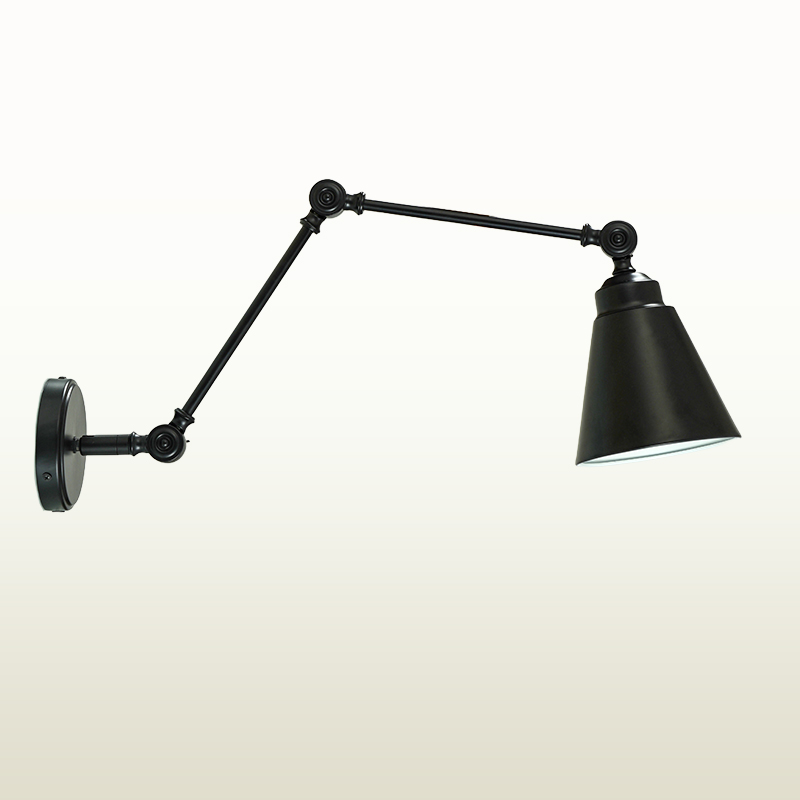
There's no absolute "better" or "worse" between floor lamps and table lamps; the right choice depends entirely on the room's layout and decorating style.
Below, we'll analyze the advantages and disadvantages of floor lamps and table lamps, as well as their best usage scenarios, to help you choose the right lighting for your space.
Floor Lamps
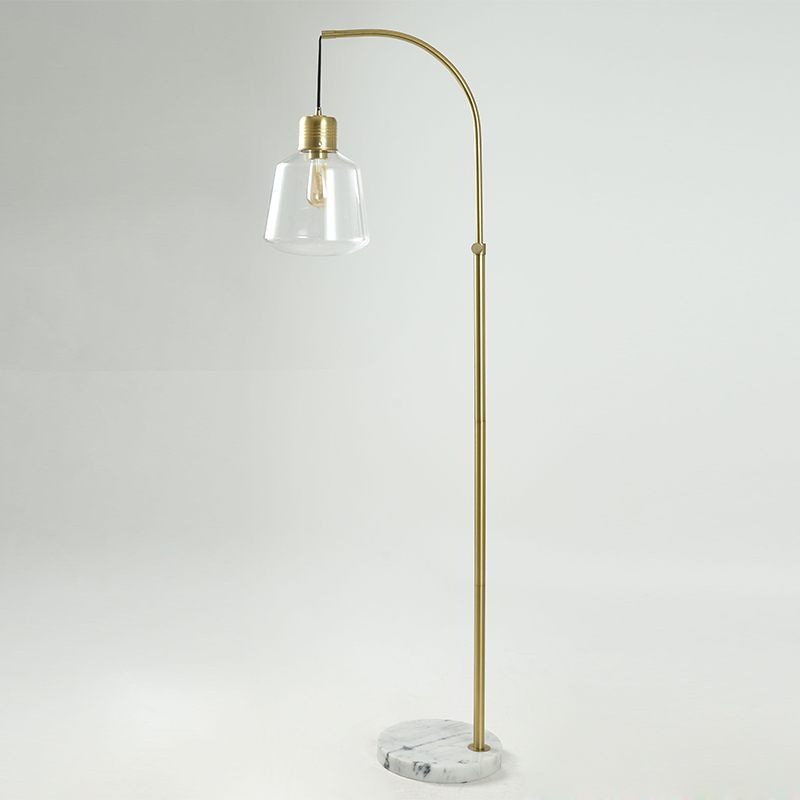
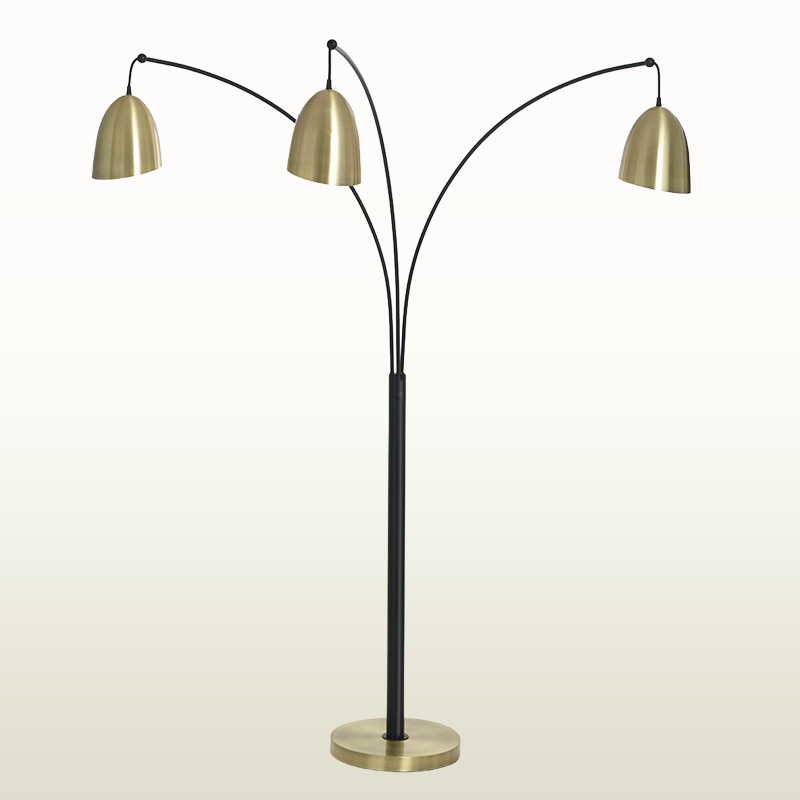
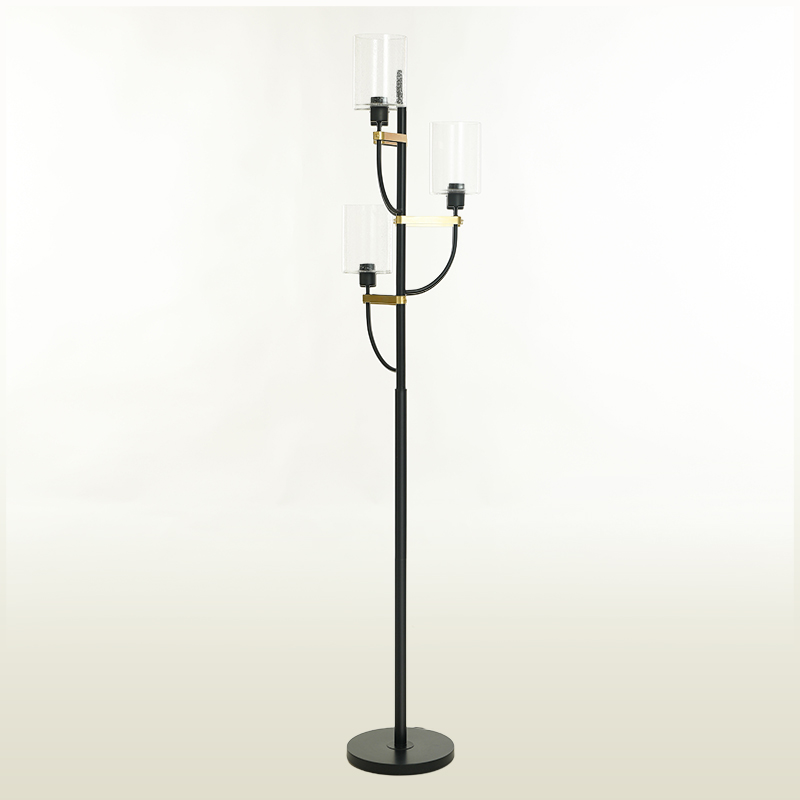
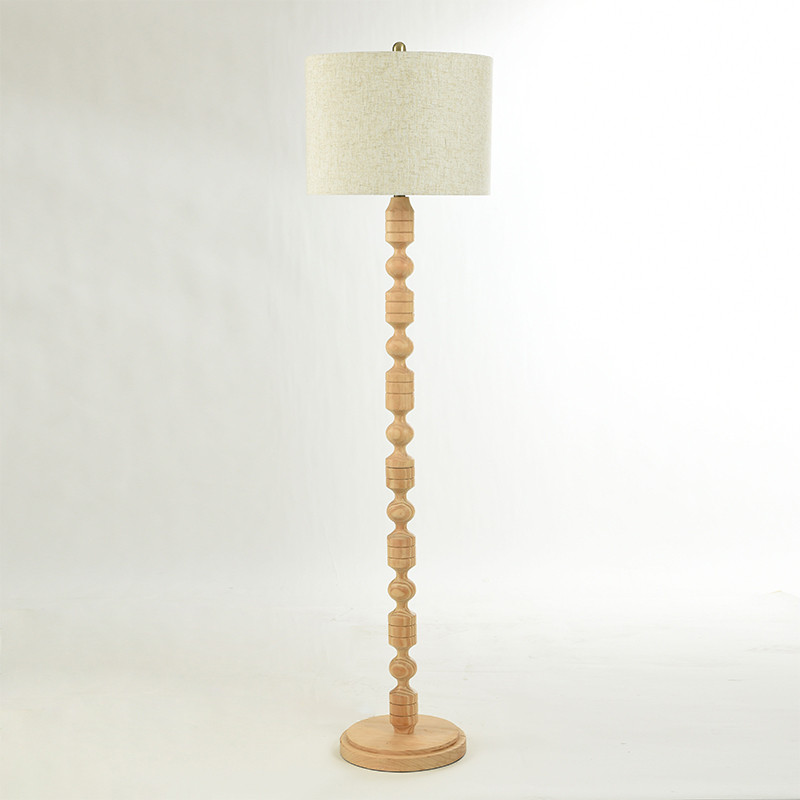
Floor lamps are tall, freestanding light fixtures primarily used to provide ambient lighting (general lighting) or focused reading lighting, without needing to be placed on any flat surface.
1. Advantages:
1) No need for a flat surface: Floor lamps are ideal for rooms lacking side tables, bedside tables, or entryway tables.
2) Ambient lighting: Due to their height, floor lamps offer a wider lighting range, making them perfect for illuminating dim corners or rooms with insufficient ceiling lighting.
3) Visual height: Tall light fixtures (especially floor lamps or curved lamps) draw the eye upward, making rooms with low ceilings appear larger and more spacious.
4) Eye-catching: Due to their size, floor lamps are often both practical works of art and visual focal points in a room.
2. Disadvantages:
1) Floor space consumption: In very small or heavily furnished rooms, floor lamps can make the space appear cluttered and may even cause people to trip.
2) Cord management: You need to deal with the cord running across the floor to the nearest outlet.
3) Poor portability: Floor lamps are relatively bulky, making them difficult to move or pack if you move frequently.
3. Best uses:
* Living room (next to a sofa or armchair).
* Unused corners that need brightening.
* Reading corner.
* Home office (as a supplementary light source behind a desk, reducing screen glare).
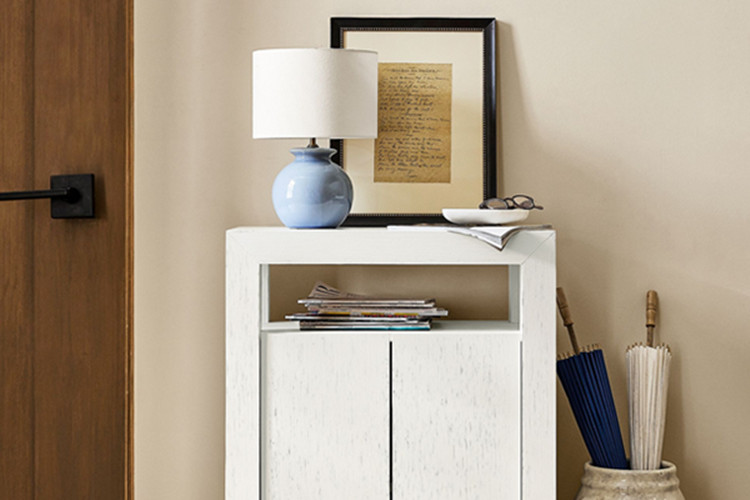
Table Lamps
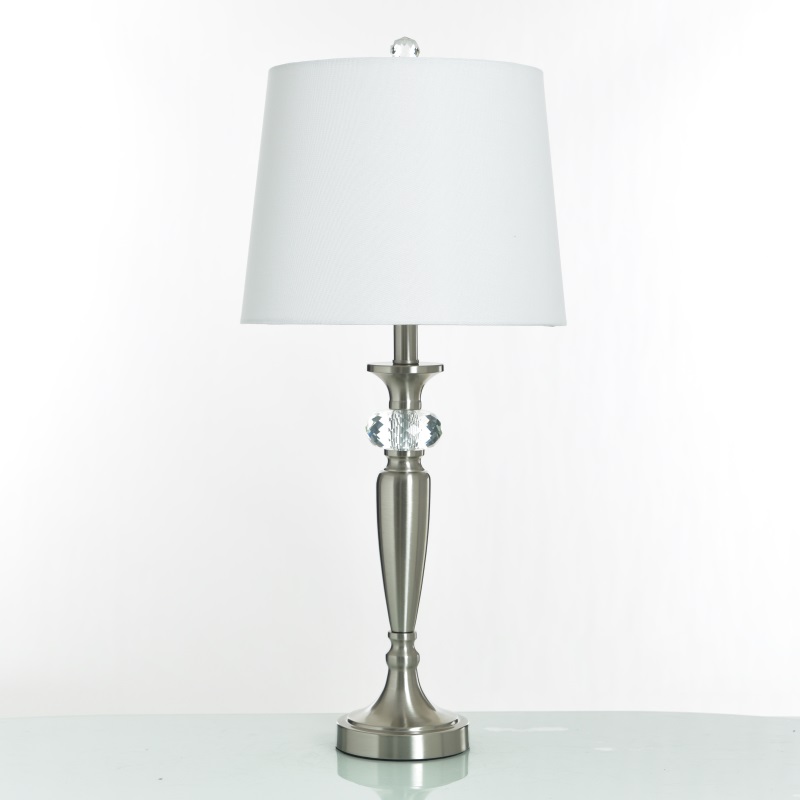
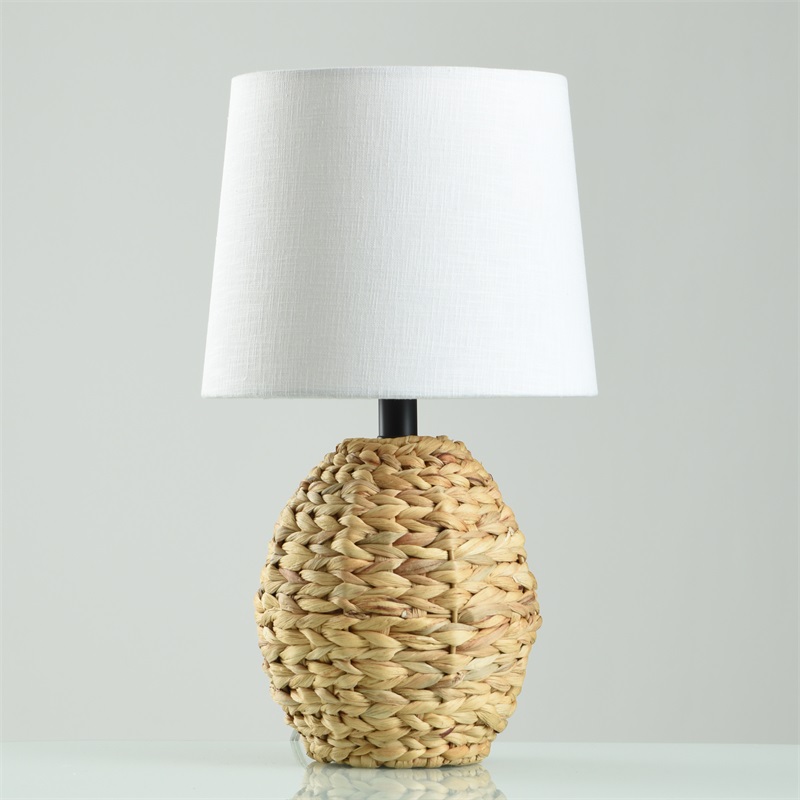
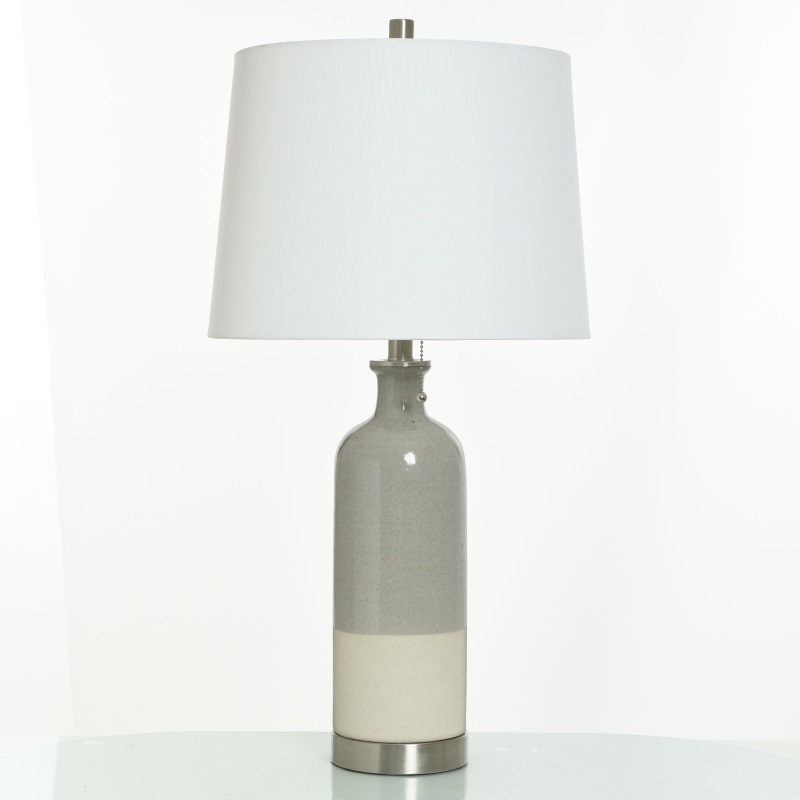
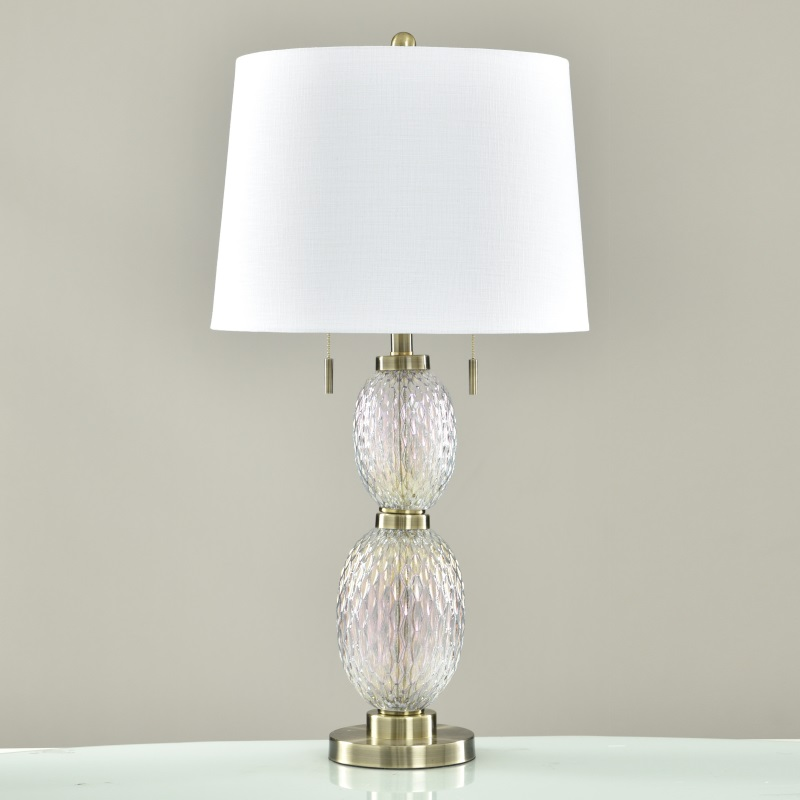
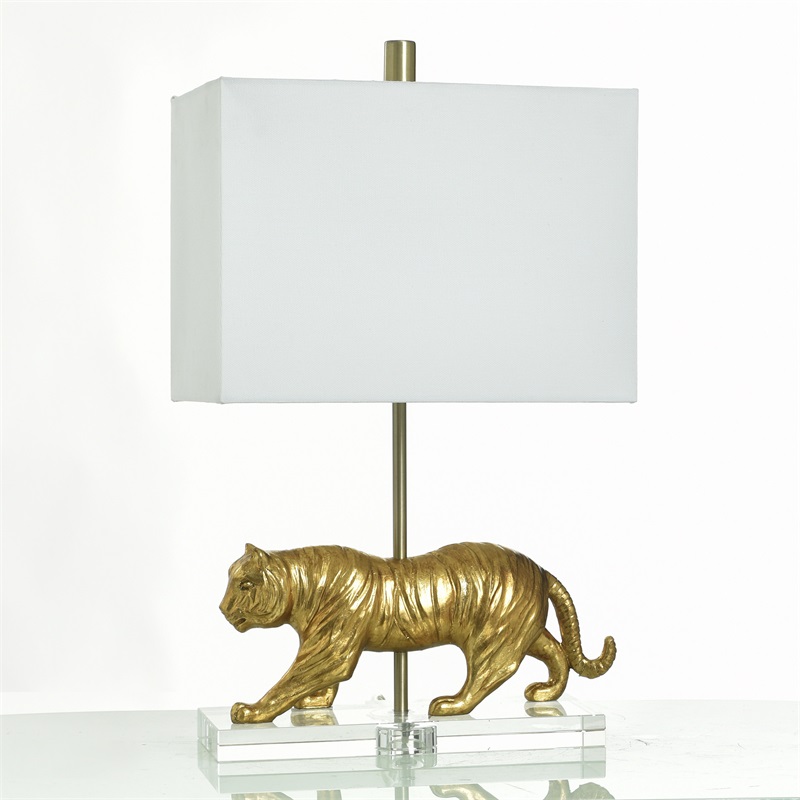
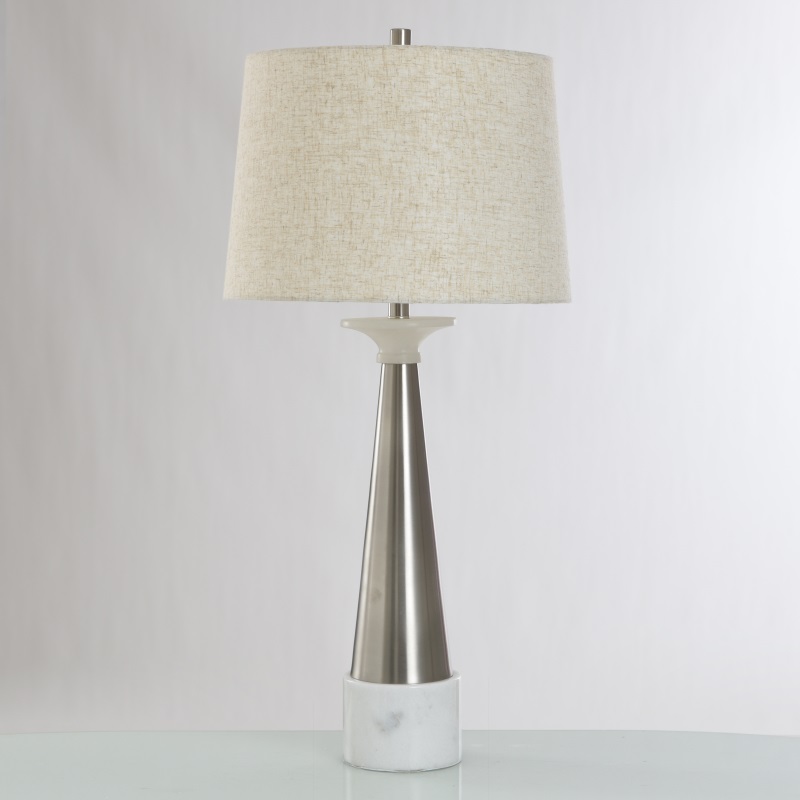
Table lamps are smaller light fixtures designed to be placed on a desk, bedside table, side table, or dining table. They are the king of work lighting.
1. Advantages:
1) Excellent work lighting: They provide focused, concentrated light, ideal for reading in bed, working at a desk, or doing fine crafts.
2) Space-Saving (Floor-Standing): Because they sit on existing furniture, they don't take up valuable walking space or floor area.
3) Versatile and Portable: They can be easily moved from room to room, making them convenient for packing when moving or changing up your room's decor.
4) Layered Lighting: They allow you to create different halos of light in a room, adding warmth, coziness, and depth to your interior design.
2. Disadvantages:
1) Placement Required: You must have a table, desk, or shelf to place them.
2) Space-Taking: They may take up valuable space on bedside tables or busy desks.
3) Limited Light Range: They only illuminate a small area, meaning they cannot illuminate an entire room individually.
3. Best Places:
* Bedside table.
* Home office desk.
* Side table in the entryway or behind a sofa.
* Sideboard in the dining room.
Quick Comparison: How to Choose
Feature | Floor Lamp | Table Lamp |
Primary Light Type | Ambient (Room-filling) | Task (Focused) |
Space Needed | Empty floor space | Tabletop/desk surface |
Portability | Low (bulky, long cords) | High (easy to move/swap) |
Decor Impact | Acts as a large focal point | Acts as an accessory/layer |
Cost | Generally more expensive | Generally more affordable |
Conclusion: Which one should you choose?
1. If you have the following needs, choose a floor lamp: want to brighten a dim room; an empty corner in the room; no side table next to your favorite reading chair; or want to guide the eye upward to make the room appear taller.
2. If you have the following needs, choose a table lamp: need focused lighting for reading in bed or working at a desk; limited floor space but ample desk space; or want a simple and economical way to update the color scheme and style of your room.
3. Professional Interior Design Tips: The best-lit room isn't just one type of light—it's a combination of both. Designers use a technique called "layering." Use a floor lamp (or ceiling light) for general lighting, and a table lamp to create a warm, private lighting environment for specific tasks.