Can You Mix and Match Different Table Lamps?
Absolutely! In fact, interior designers increasingly favor this approach because it adds personality and visual interest to a room, creating a unique atmosphere that feels curated and evolved over time. However, successful mixing and matching requires a strategic approach to ensure the space looks thoughtfully arranged rather than chaotic.
Here is a guide to mastering the art of mixing and matching table lamps:
1. When to Choose Matching Pairs vs. Mixing and Matching?
1) Choose matching pairs: When you prefer minimalism, traditional style, or a highly symmetrical aesthetic. Placing matching lamps on either side of a bed or sofa creates a sense of order, tranquility, and formal balance.
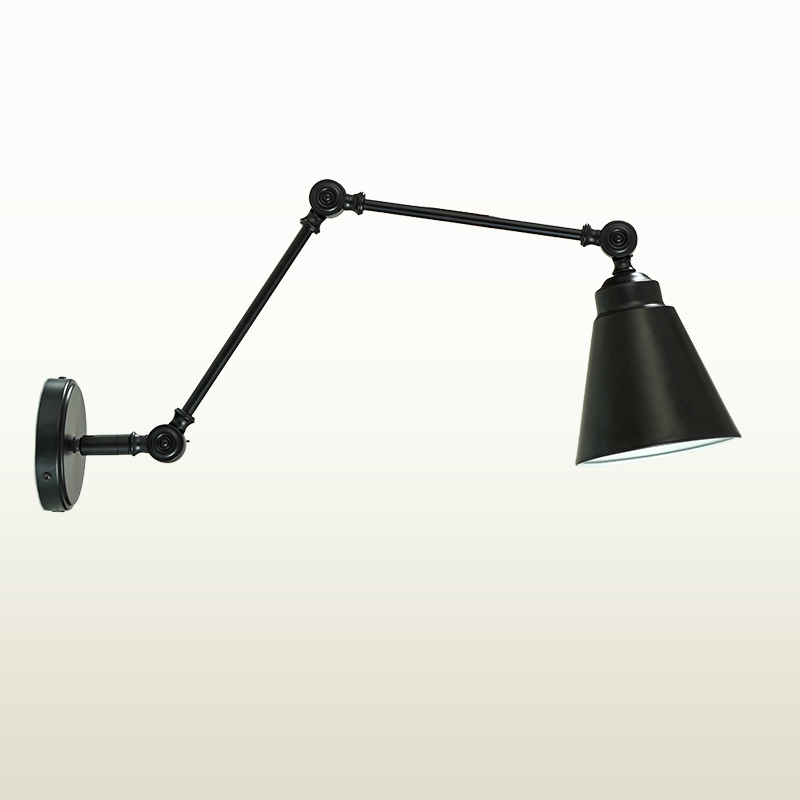
2) Choose mixing and matching: When your design style is eclectic, maximalist, or relaxed and casual. Mixing and matching is also highly practical when the functional needs on either side of the room differ (for example, if one person needs a bright, adjustable reading light while the other requires only soft ambient lighting).
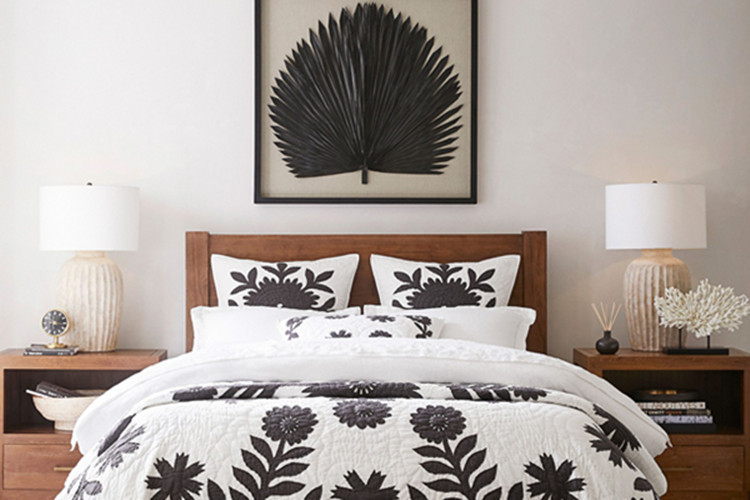
2. Golden Rules for Mixing and Matching Table Lamps
If you decide to mix and match, follow these designer-approved guidelines to maintain a cohesive and harmonious look:
1) Find a Common Thread
The lamps don't have to be identical, but they should "speak" to one another. Link them by repeating at least one element:
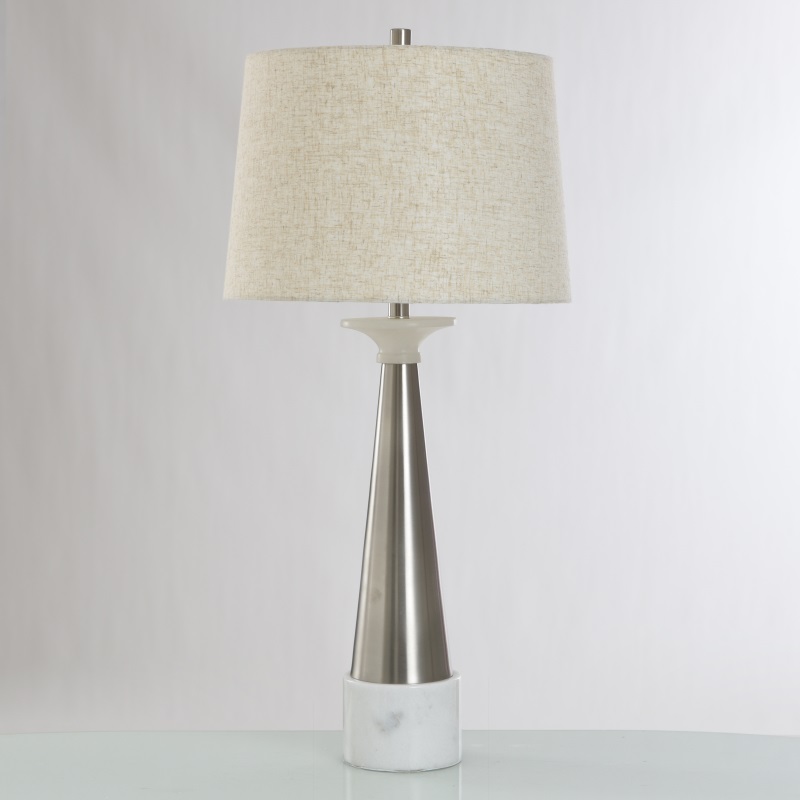
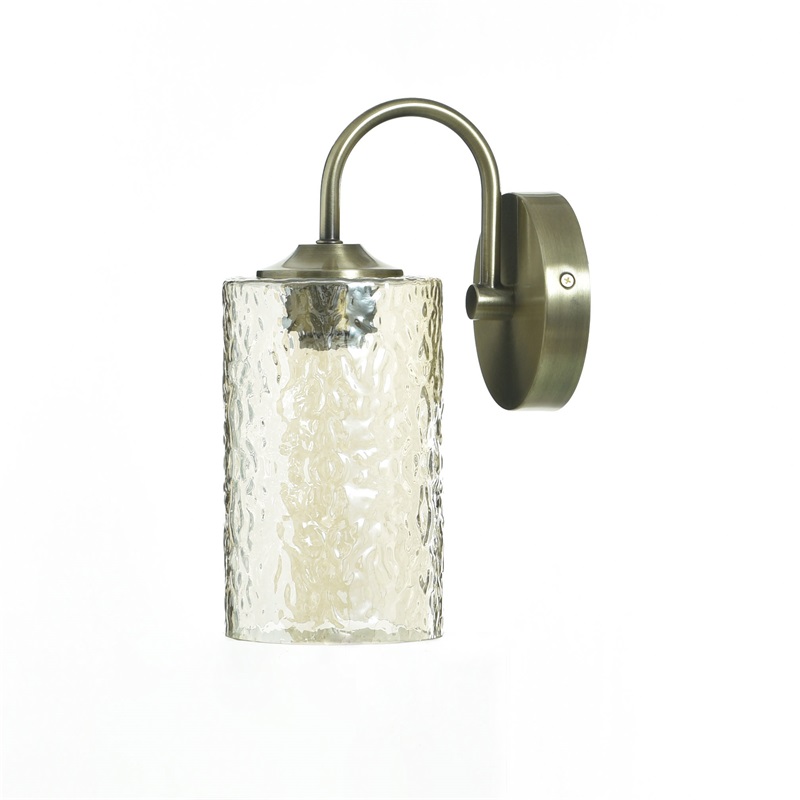
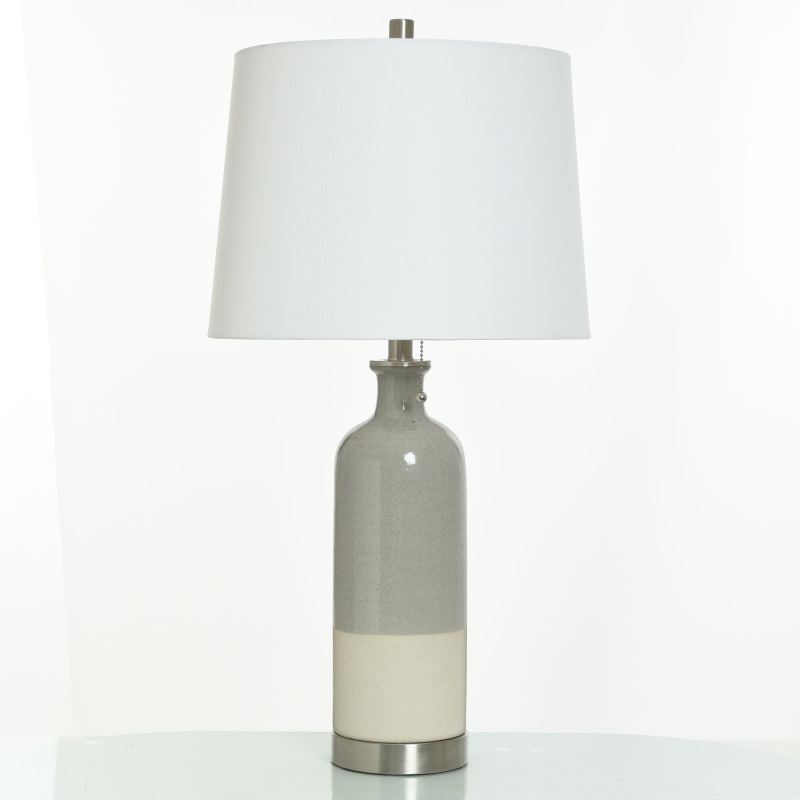
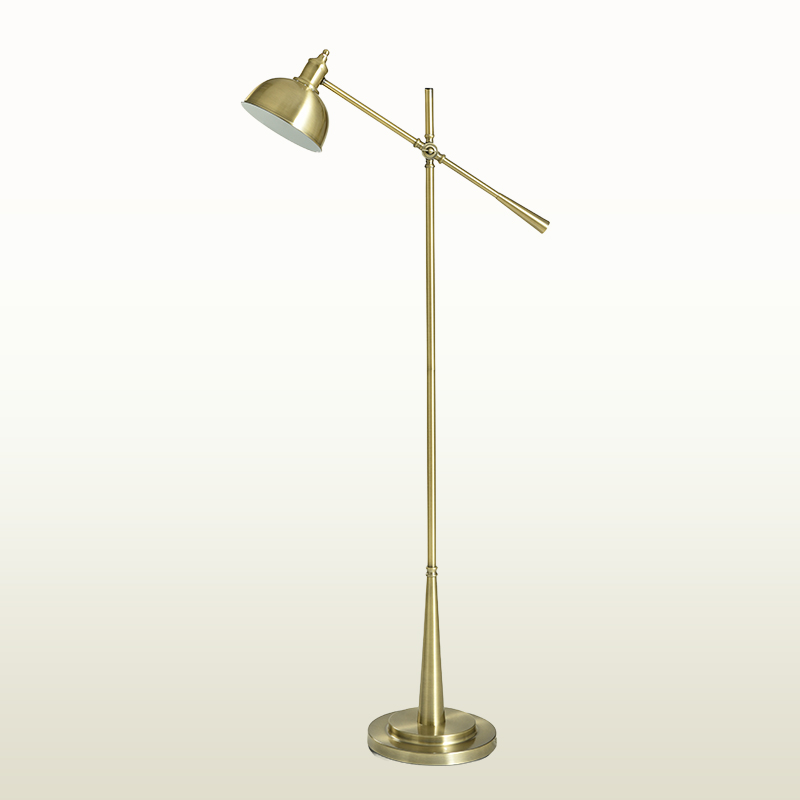
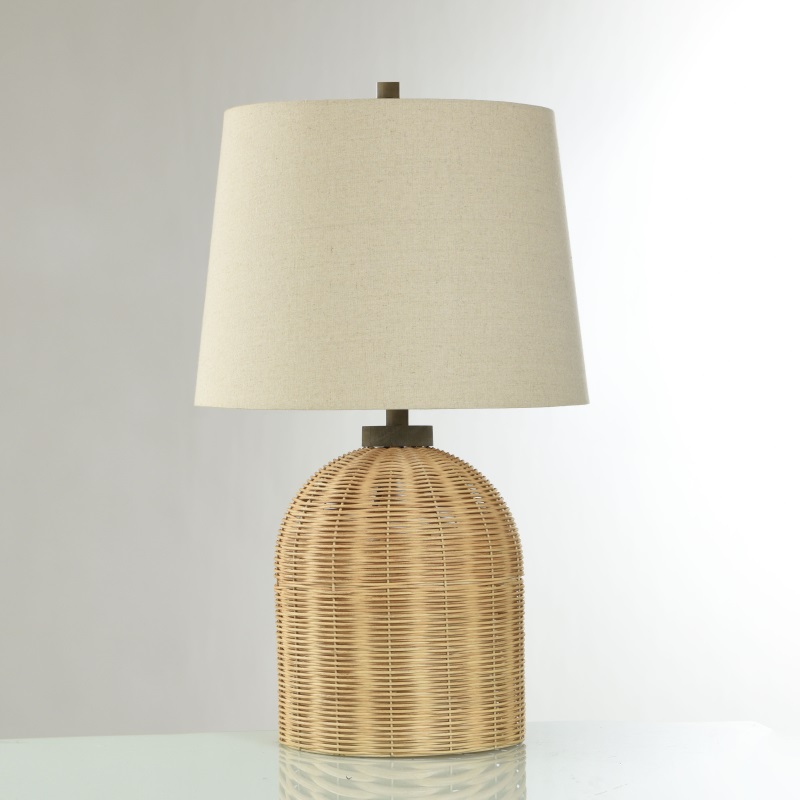
* Material or finish: For example, pair a lamp with a brass base with a ceramic lamp that features brass accents.
* Color: For example, pair a dark blue glass lamp with a white lamp featuring a dark blue pattern.
* Shape: For example, the bases might be completely different, but the silhouettes share similarities (such as both having a tall, slender profile).
2) Balance Proportions and Height
* This is the most crucial rule, especially when arranging lamps on nightstands. Even if the styles differ, the lamps' overall heights and visual weight should be relatively similar to maintain visual harmony. A practical rule of thumb is that the height of a table lamp should not exceed 1.5 times the height of the table or nightstand it sits on.
* If your nightstands differ in height, you can pair them with lamps of varying heights so that the total height on each side (table plus lamp) remains roughly equal.
3) Intentionally create a contrast in shapes
If you are using two different table lamps, don't be afraid to lean into that contrast. For example, choose a lamp with a round or organically shaped base for one side, and one with a rectangular or square base and sharp, clean lines for the other. This way, the "mismatch" appears to be a deliberate design choice rather than a random assortment.
4) Use lampshades to create unity
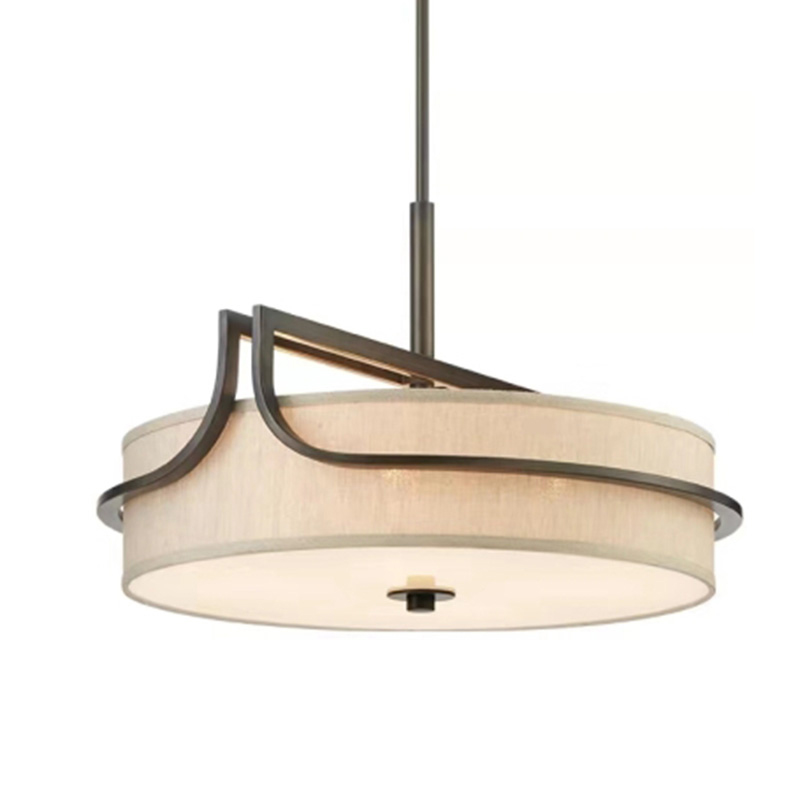
If you want to mix and match lamp bases but aren't sure how to coordinate them, try using identical or very similar lampshades. This simple trick instantly creates a harmonious, unified look while allowing the unique character of each base to shine through.
3. Practical tips for different rooms
1) Bedroom: If your nightstands don't match, ensure the lighting effect is balanced on both sides. Avoid situations where the light is glaringly bright on one side and too dim for reading on the other. Additionally, if the nightstands are mismatched, a common design strategy is to intentionally select two different lamps to complement the asymmetrical furniture arrangement.
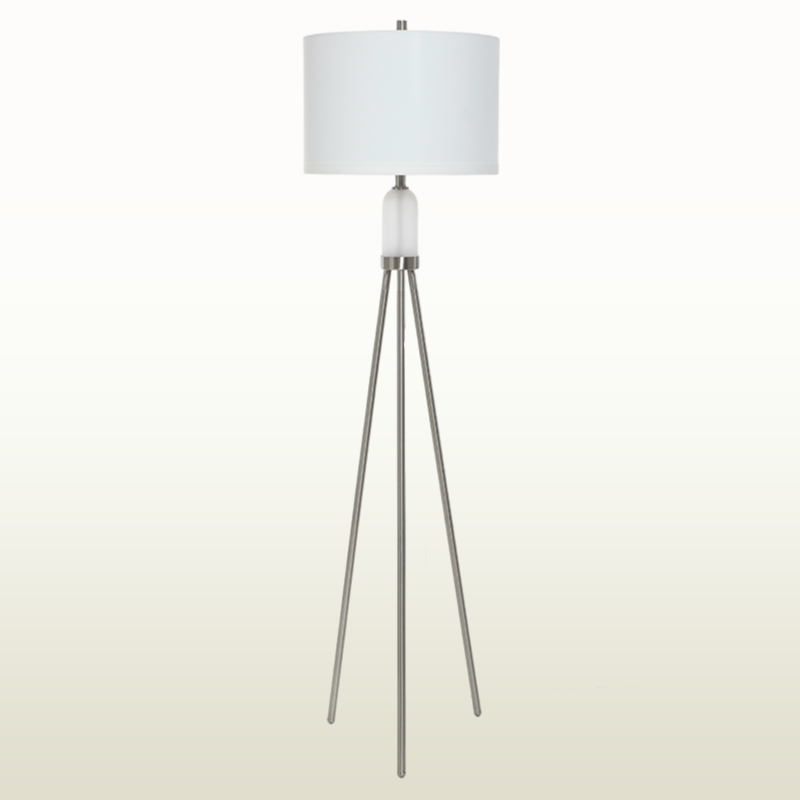
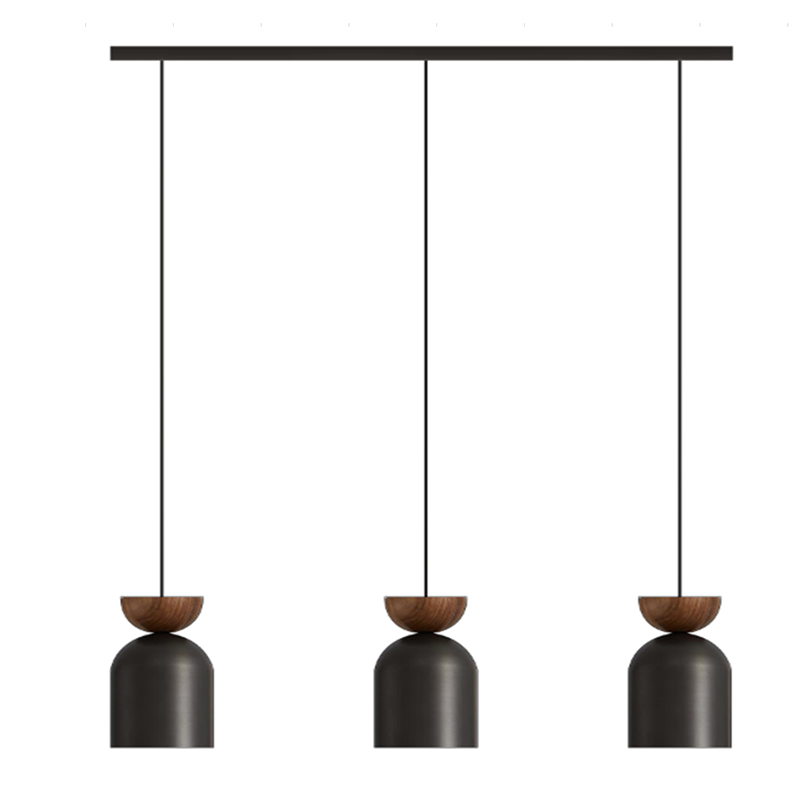
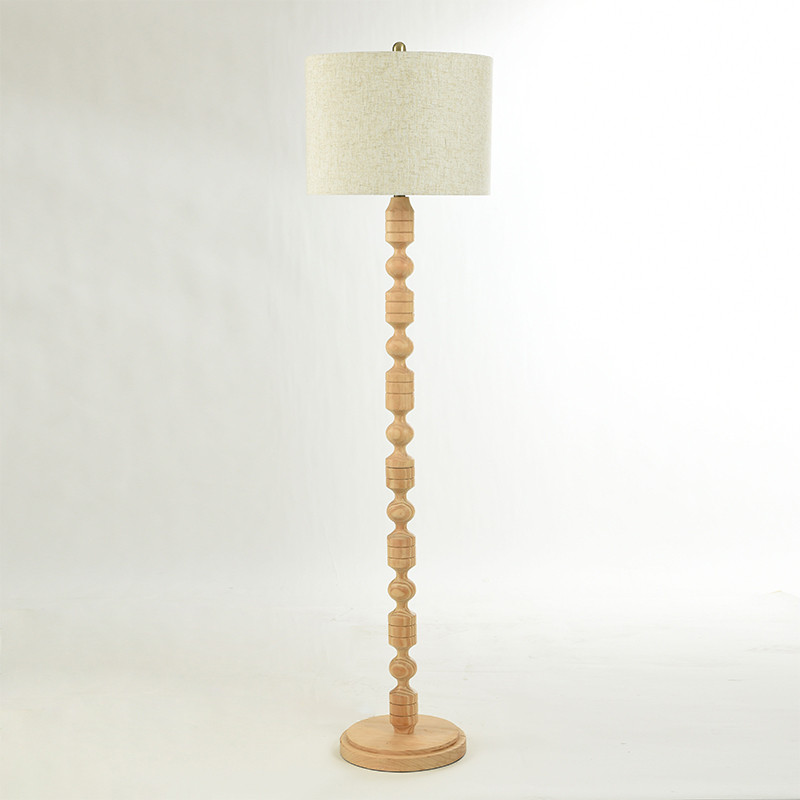
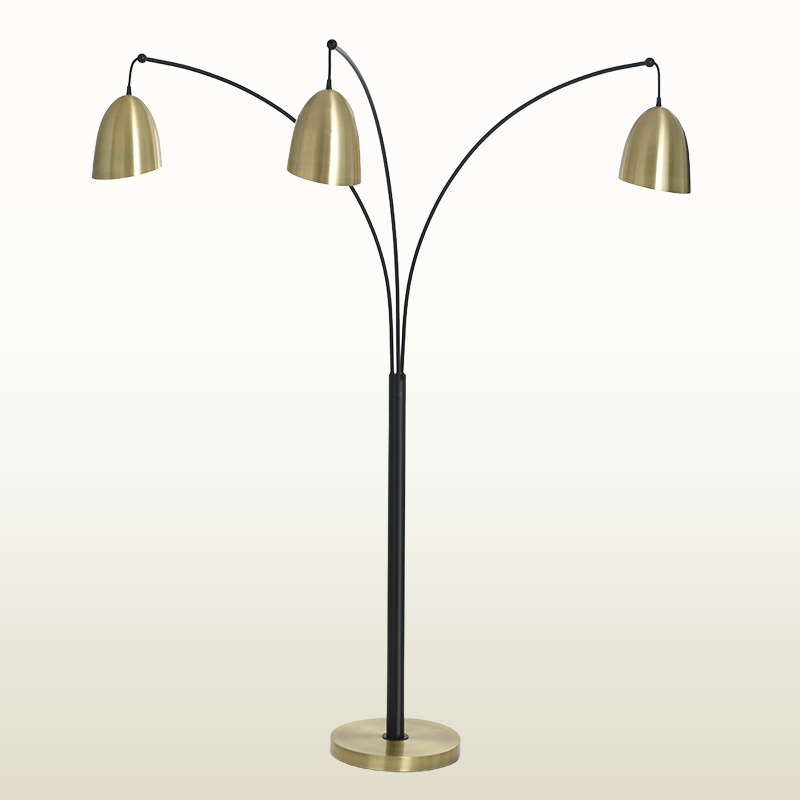
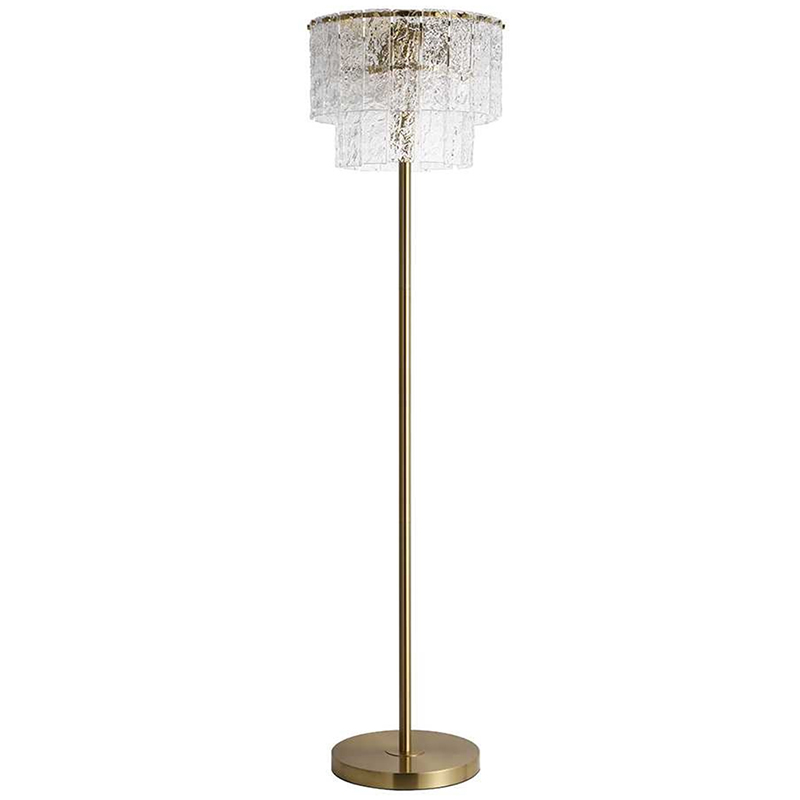
2) Living room: You can easily mix table lamps with floor lamps. Just ensure they share similarities in design style, color palette, or material finishes to create a cohesive visual look.
Conclusion
Using matching pairs of table lamps is a safe bet for achieving a symmetrical aesthetic, but mixing and matching styles is a fantastic way to showcase your unique taste. As long as you maintain a balance in height, proportion, and shared design elements (such as color or material), these diverse lamps will appear as sophisticated, carefully curated design highlights.