Are Table Lamps Good for Studying?
Yes, table lamps are excellent for studying, but there is an important distinction: dedicated "study lamps" (lamps specifically designed for particular lighting tasks) are far superior to ordinary decorative table lamps.
Here is an analysis of the reasons why, along with the key features to look for to protect your eyesight and boost concentration.
1. Studying: Ordinary Table Lamps vs. Dedicated Study Lamps
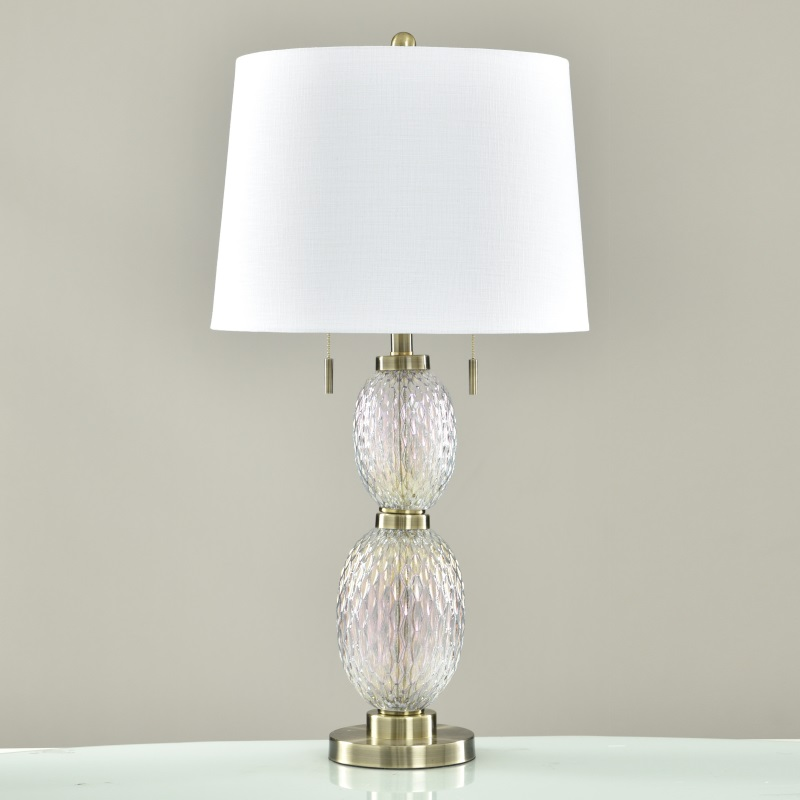
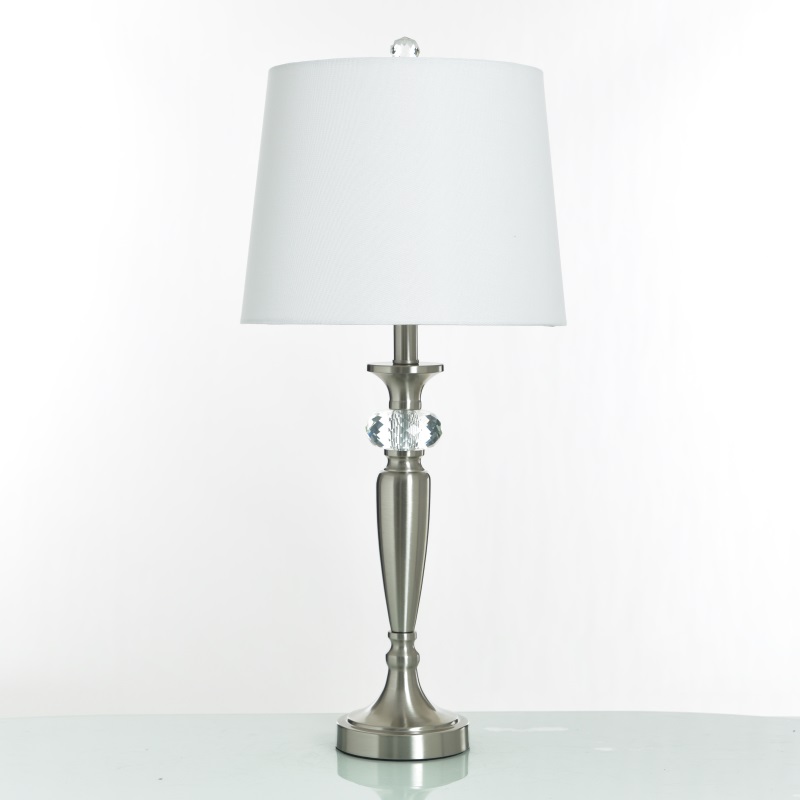
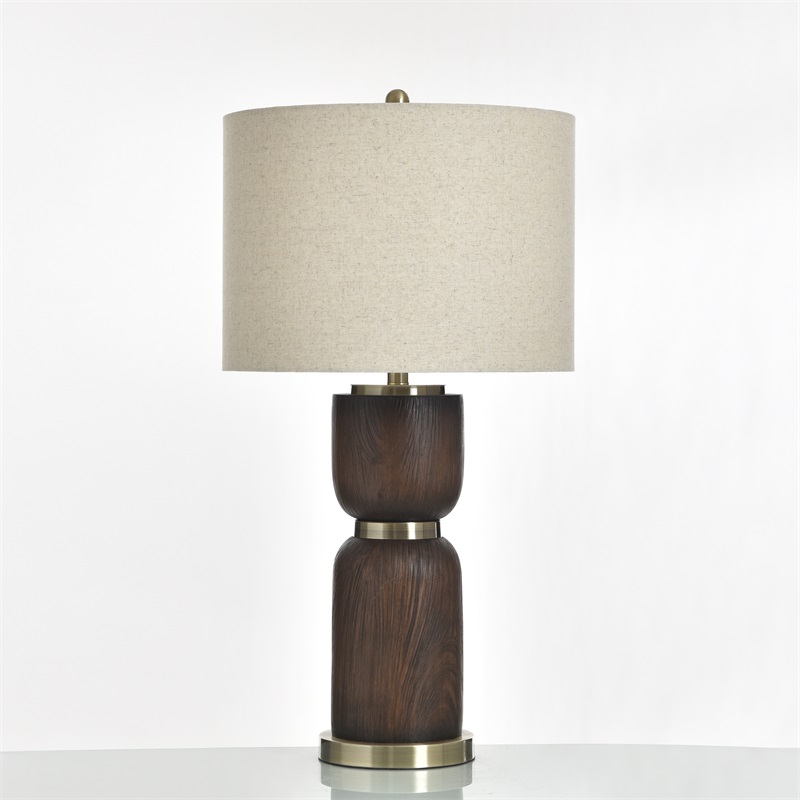
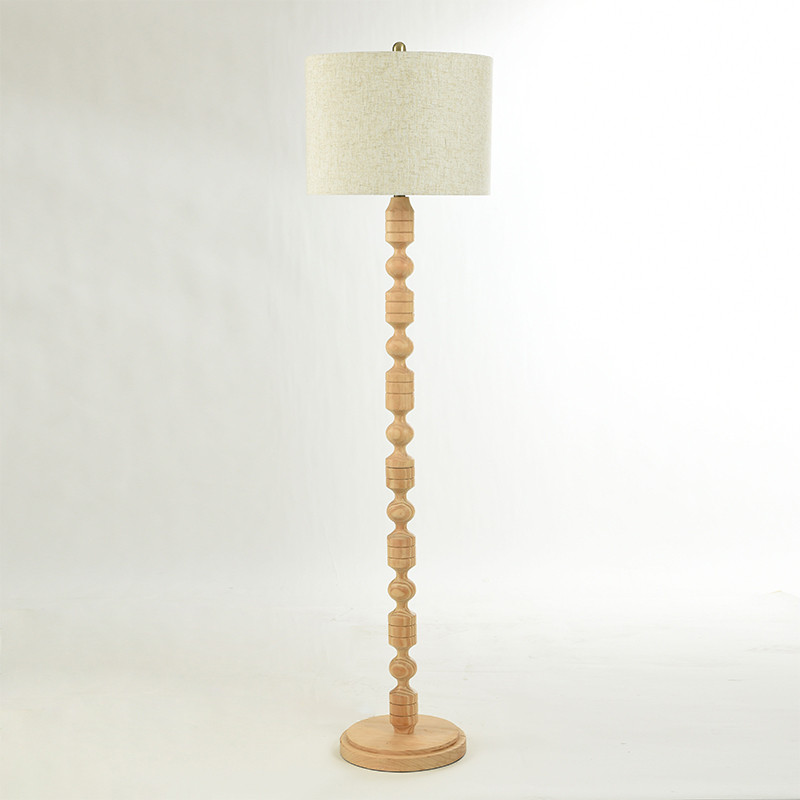
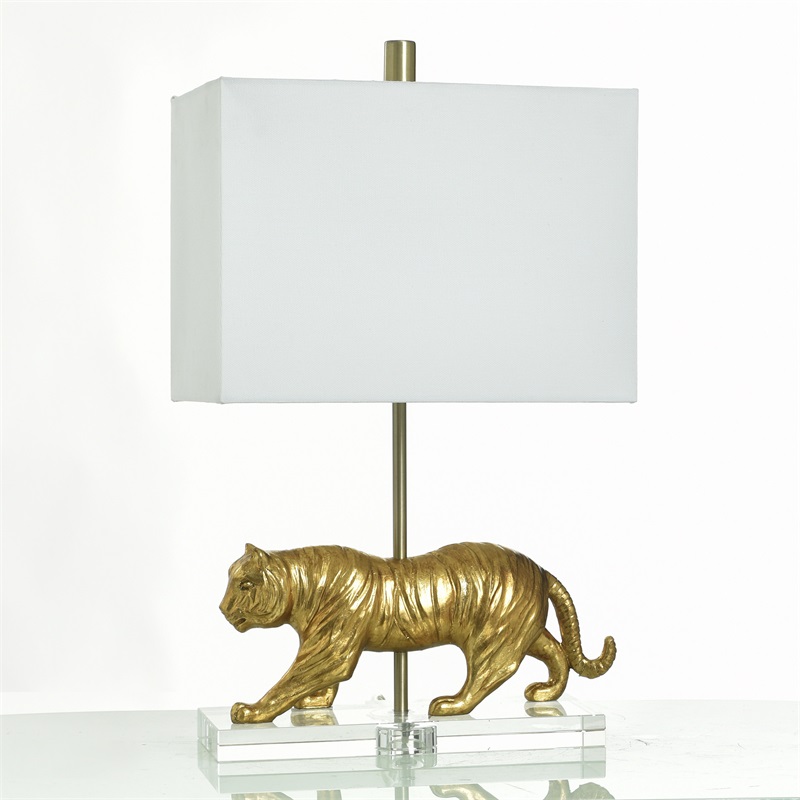
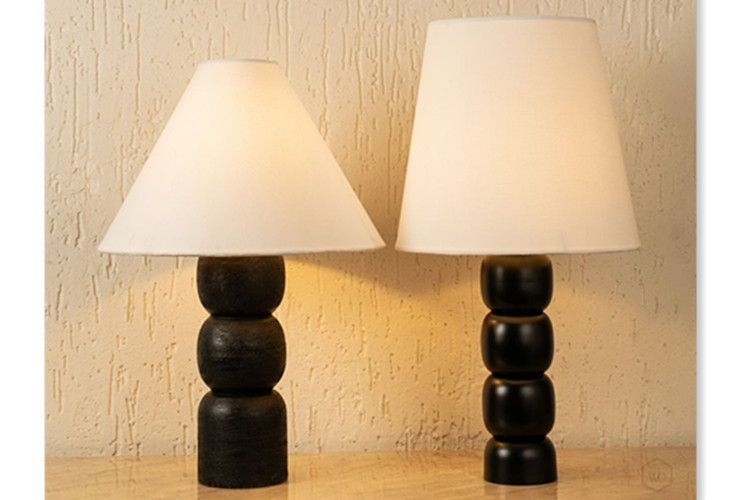
1) Ordinary table lamps: Primarily designed to provide ambient or decorative lighting, creating a warm, cozy atmosphere. They typically emit diffused, omnidirectional light with an illuminance level (a measure of light intensity) of only 200 to 400 lux. This level of brightness is usually too dim for detailed work and can lead to eye strain during prolonged use.
2) Dedicated study lamps: Specifically designed for tasks requiring high levels of concentration, such as reading, writing, or working on a computer. They provide focused, directional lighting, typically ranging from 300 to 500 lux. This is the illuminance range recommended by the American National Standards Institute (ANSI) for reading and writing, as it meets visual needs without causing eye strain.
2. Essential Features of a High-Quality Study Lamp
When purchasing or evaluating a study lamp, look for the following key specifications:
1) Adjustable brightness (dimmable): The ability to adjust brightness means you can tailor the light to the time of day and the specific task at hand, thereby avoiding harsh glare.
2) Optimal color temperature (measured in Kelvin, K):
* 4000K – 5000K (Cool White/Neutral White): This is the ideal range for efficient studying and deep concentration, as it simulates natural daylight and helps improve focus. * 2700K – 3500K (Warm White): Suitable for evening reading or winding down before bed, as the light is soft and less likely to disrupt sleep cycles. 3) High Color Rendering Index (CRI): It is recommended to choose a product with a CRI of 80 or higher (ideally above 90). A high CRI ensures that colors and text appear natural and clear, thereby reducing visual fatigue.
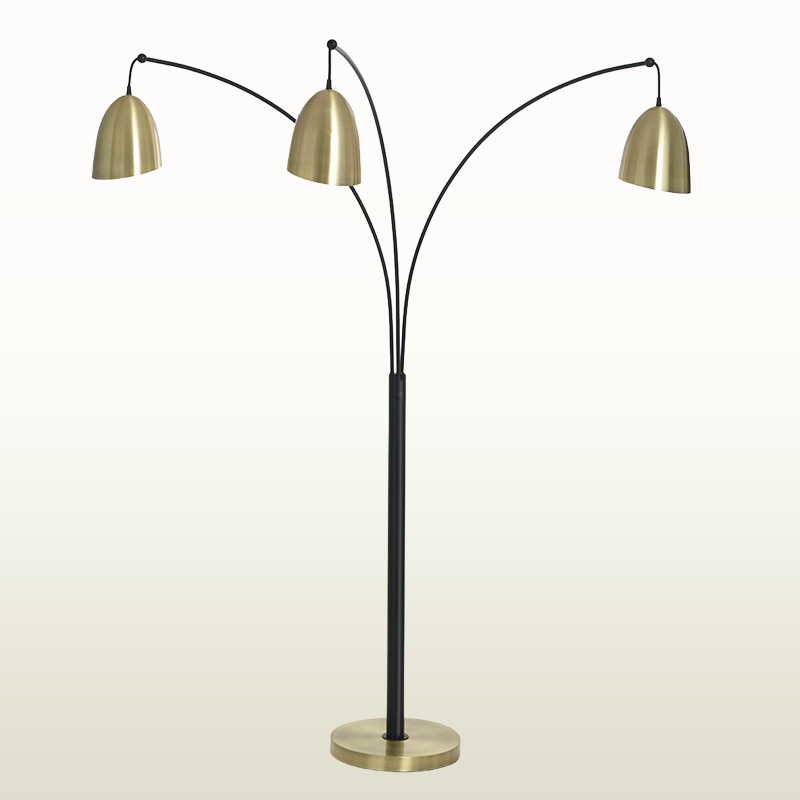
4) Adjustability: Select a desk lamp with an adjustable arm, head, and height so that light can be precisely directed where needed, minimizing shadows and screen glare.
5) Flicker-free and anti-glare technology: Cheap LED lamps may produce flicker (even if imperceptible to the naked eye), leading to headaches and eye strain. High-quality study lamps utilize diffusers and flicker-free drivers to protect your vision during long study sessions.
3. Best practices for using a desk lamp while studying
1) Proper placement: Position the lamp on the side opposite your dominant hand (e.g., if you are right-handed, place the lamp on the left) to prevent your hand from casting a shadow while writing.
2) Combined lighting: Avoid studying in a room illuminated solely by a single bright desk lamp. The stark contrast between a bright desk surface and a dim room forces your pupils to constantly adjust, which can easily lead to eye strain. It is recommended to also use soft ambient lighting.
3) Follow the "20-20-20" rule: Even with perfect lighting, your eyes need a rest. For every 20 minutes of study, look at an object at least 20 feet (approximately 6 meters) away for at least 20 seconds.
Conclusion
If your current desk lamp supports brightness adjustment, offers a moderate to cool color temperature (above 4000K), and accurately directs light onto your books or keyboard, it is perfectly suitable for studying. However, if you are using a decorative lamp that provides warm, dim, or non-directional light, it is highly recommended that you acquire a dedicated eye-care LED desk lamp to protect your vision and improve concentration.