3 Mistakes to Avoid When Choosing a Side Table Lamp
Selecting the perfect side table lamp may seem simple, but overlooking common pitfalls can result in a choice that is neither practical nor aesthetically pleasing. Here are three key mistakes to avoid:
1. Ignoring the Balance of Size and Proportion
1) Mistake: Choosing a lamp based solely on appearance without considering its size relative to the side table and seating.
2) Why it matters:
A lamp that is too tall can create a sense of visual heaviness and cause glare.
A lamp that is too small provides insufficient light and looks awkward or out of proportion in the space.
Poor proportion disrupts the visual balance of the entire room.
3) Solutions:
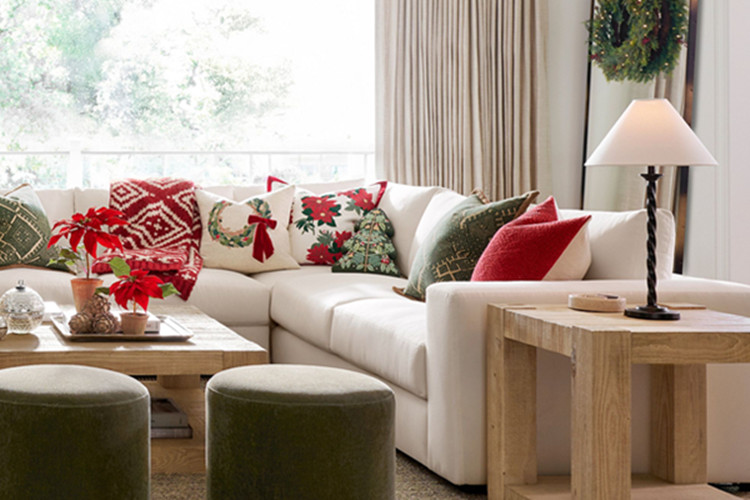
Height: When seated, the bottom of the lampshade should align with your eye level (typically 24 to 34 inches, or approximately 60 to 86 cm, from the floor).
Proportion to table: The lamp height should not exceed 1.5 times the height of the table.
Width: The width of the lamp base should not exceed the width of the tabletop, and the edges of the lampshade should not extend beyond the table's surface.
2. Ignoring Functionality and Light Quality
1) Mistake: Prioritizing aesthetics while neglecting actual lighting needs.
2) Why it matters:
* Purely decorative table lamps may not provide sufficient light for reading or working.
* Excessive brightness or improper light projection can cause eye strain.
* The wrong type of bulb can result in an undesirable color temperature (too cool or too warm).
3) Solutions:
* Define the purpose: Reading requires brighter, focused light (400–800 lumens), whereas ambient lighting does not need to be as intense.
* Choose the right lampshade: Opaque shades direct light up or down, while translucent shades provide soft, diffused light.
* Consider bulb compatibility: Opt for energy-efficient LEDs and dimmable models for flexibility, and pay attention to color temperature (2700K–3000K creates a warm, cozy atmosphere).
* Check switch placement: Ensure the switch is easily accessible while seated.
3. Neglecting stylistic harmony
1) Common mistake: Selecting a lamp in isolation without considering how well it blends with the existing décor style.
2) Why it matters:
* Stylistic clashes create visual discord.
* Mismatched materials or colors can make the room look cluttered and disjointed.
* The table lamp may become an eyesore rather than an accent piece that enhances the space.
3) Solutions:
* Match the room's style: Modern rooms suit lamps with sleek lines and minimalist designs; traditional spaces pair well with ornate, classic-style table lamps.
* Coordinate materials: Echo the metal finishes, wood tones, or textures already present in the room.
* Consider lampshade color: It should harmonize with the wall color and existing soft furnishings.
* Balance visual weight: Heavy, substantial lamps require sturdy side tables for support, while delicate, lightweight lamps pair best with lighter furniture.
Final Summary
By avoiding these three common mistakes, you can select a side-table lamp that is both beautiful and functional—and one that integrates perfectly into your space.