How to Determine the Material of a Table Lamp?
Determining the material of a table lamp is actually not difficult. Here are a few practical methods to help you quickly figure it out:
1. Material Determination Methods
1) Observation and Touch:
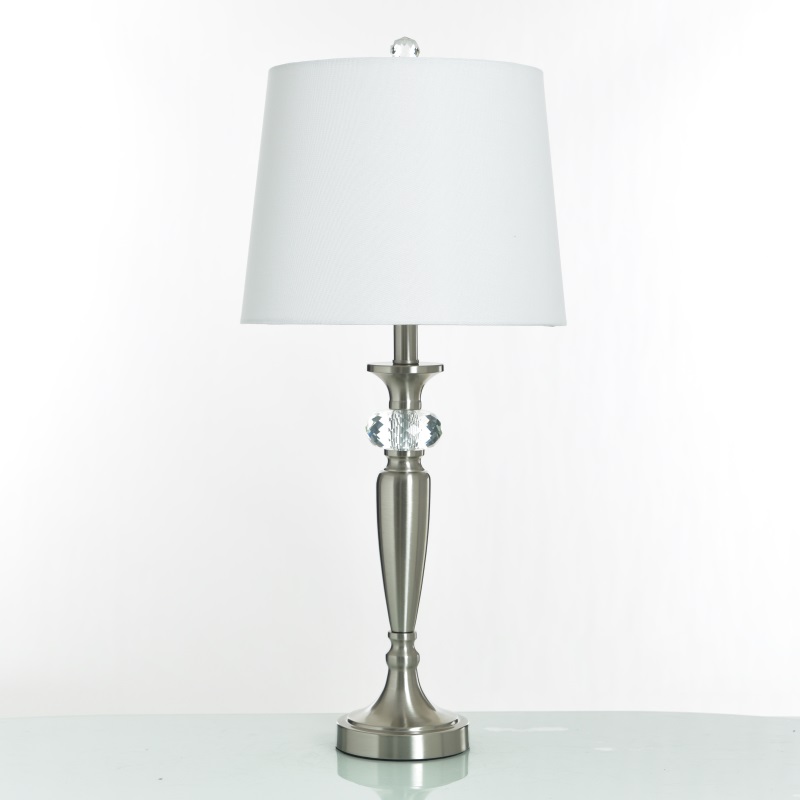
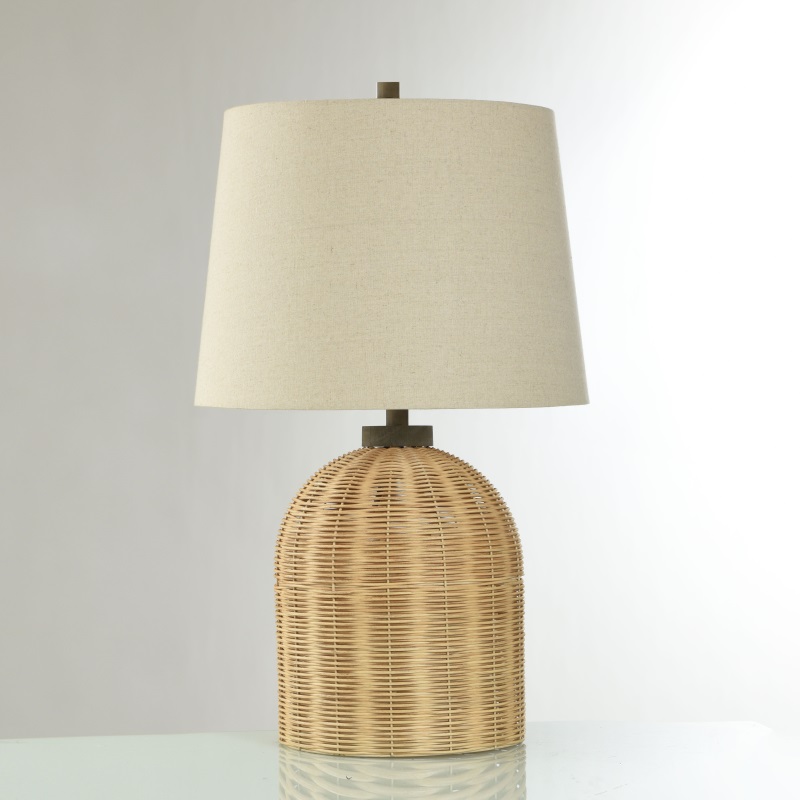
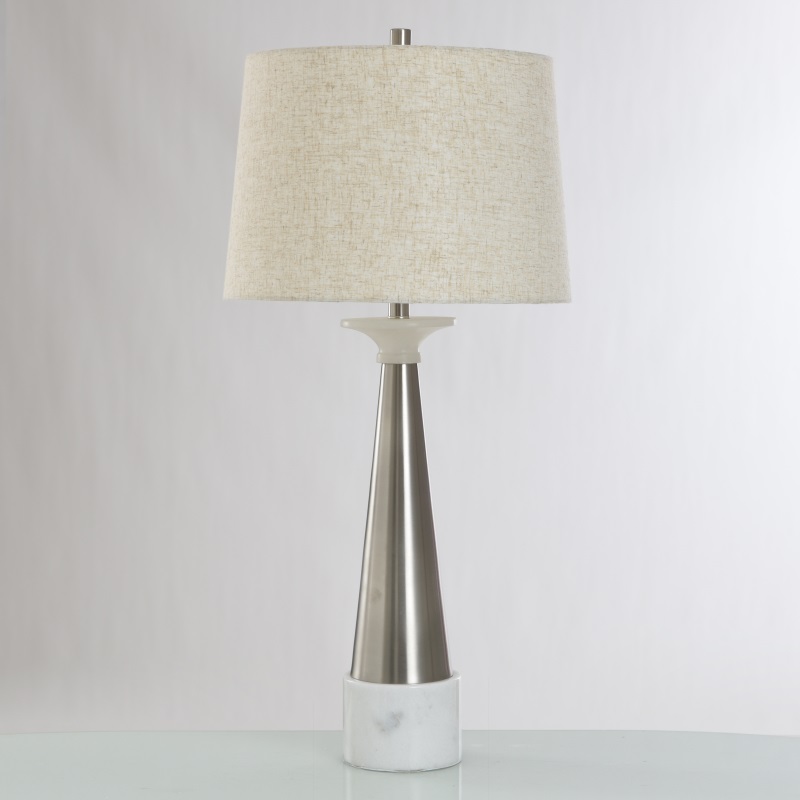
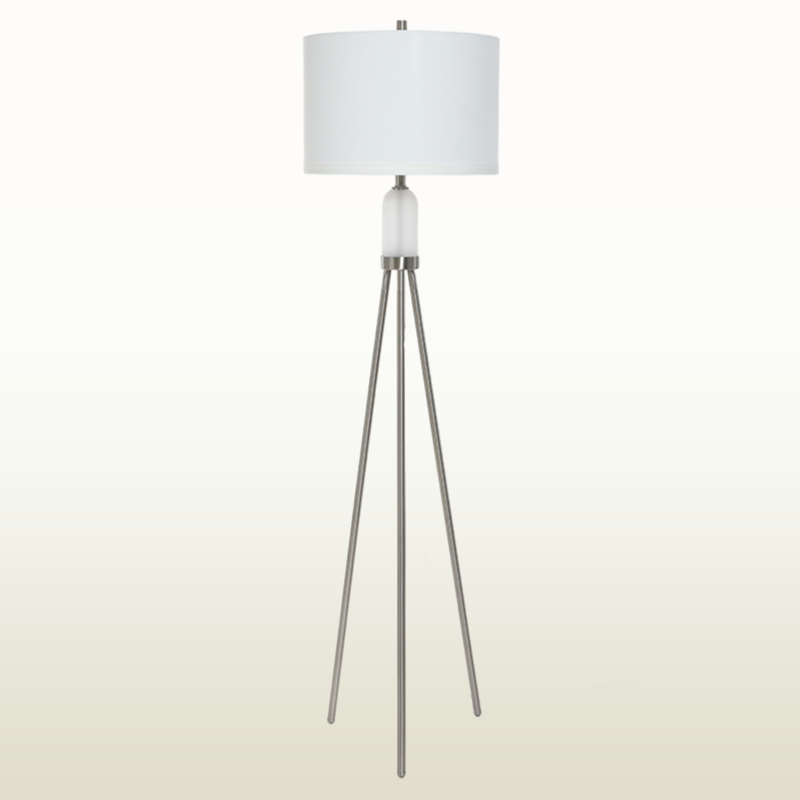
* Metal Parts (e.g., lamp arm, base): Usually heavier, with a metallic luster, and a cool, hard feel. Commonly used are aluminum alloy or steel, balancing stability and durability.
* Plastic/Acrylic Parts (e.g., lampshade, lamp body): Lighter, may have a glossy or matte texture. ABS, PC, and acrylic are common materials, lightweight and highly malleable. Carefully observe for burrs or cracks to ensure fine craftsmanship.
* Glass Parts: Typically used for lampshades, with good light transmission, a smooth and hard feel, and capable of creating bright light.
* Silicone/Rubber Parts: Commonly used for anti-slip pads on the base, soft and elastic, providing anti-slip and drop protection.
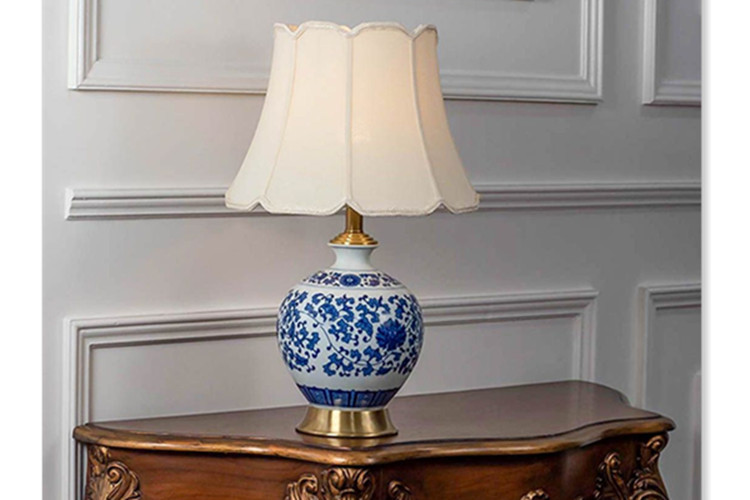
2) Check Certifications and Labels:
* Check the material composition labeling on the product description or packaging, such as RoHS certification (environmentally friendly and safe).
* Prioritize harmless materials, such as ABS, aluminum alloy, and PC, and avoid inferior plastics containing unknown additives.
3) Refer to Professional Reviews: Review authoritative reviews for detailed material analysis, such as the impact of lampshade material on light scattering.
2. Relationship Between Material and Function
1) Stability: Metal bases are more stable; plastic bases need to be designed properly to prevent tipping.
2) Durability: Metal and high-quality plastics (such as ABS) are more wear-resistant; acrylic table lamp holders are easily damaged.
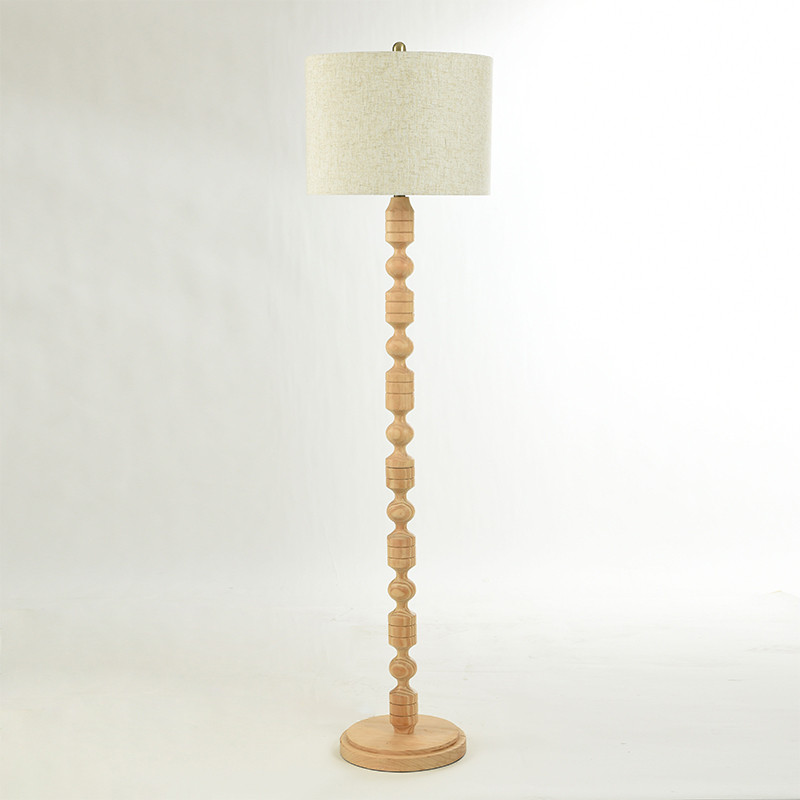
3) Light Effect: Glass lampshades provide bright light, while fabric or frosted plastic lampshades provide soft light and reduce glare.
4) Safety: Materials should be non-toxic and flame-retardant, especially for children's table lamps, which must meet safety standards.
3. Purchase Recommendations
1) Prioritize Core Functions: Ensure eye-friendly performance (e.g., flicker-free, high color rendering index) before considering materials.
2) Match Usage Scenarios: Study room table lamps prioritize stability and light quality; children's room table lamps need to be drop-proof and durable.
3) Consider Budget: Mid-range price ranges (e.g., 200-500 RMB) often offer options that balance material quality and functionality.