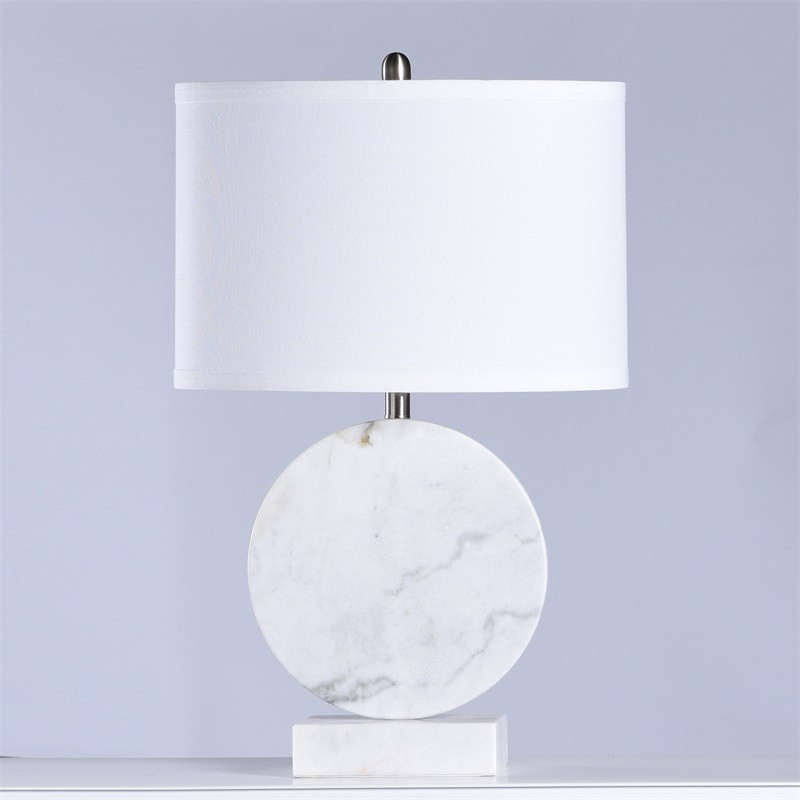
How to Adjust a Table Lamp after Replacing the Bulb?
Don't rush off after replacing the bulb. A few adjustments will get the table lamp working stably. The key is to check the contacts, adjust the position, and test the functions. Here's how:
1. Initial Power-On Test
1) Safety First: Confirm all components are installed correctly and the lampshade screws are tightened.
2) Power-On Observation: Turn on the switch and check if the bulb lights up evenly and without flickering or unusual noises. If the bulb ends are black but the middle is dark, the starter may be faulty and needs replacement.
2. Function Adjustment (for dimmable table lamps)
If the table lamp has a dimmable function, the key adjustments are:
1) Check the dimmable circuit: Use a multimeter to check the SCR and potentiometer for continuity or short circuits.
2) Adjustment Test: Slowly adjust the knob and observe if the light changes smoothly and without flickering or going out. If not, the SCR may be short-circuited or the potentiometer contacts may be oxidized, requiring replacement or cleaning.
3. Troubleshooting Common Problems
1) Light not working: Check the power cord, switch, and table lamp contact points for looseness.
2) Insufficient brightness/flickering: Check if the table lamp is aging, if the voltage is stable, or if the ballast is damaged.
3) Dimming malfunction: Focus on checking the SCR, potentiometer, and trigger diode.
4. Final Confirmation
1) Functional test: Test the dimming, switching, and timer (if applicable).
2) Safety check: Check the casing for overheating and smell for any burnt odor.
3) Clean up: Put away tools; dispose of old table lamps as hazardous waste.
Final Summary
If these steps do not resolve the issue, it may be an internal circuit fault. It is recommended to consult a professional.