What Factors should I Consider when Choosing a Table Lamp?
In today's fast-paced world, table lamps are essential lighting devices that not only provide light but also create a comfortable working environment. However, the sheer variety of table lamps on the market can be overwhelming. So, how do you choose the right table lamp for you? Awesome Lamps will explain the types of table lamps, light sources, brightness, color temperature, color reproduction, and energy efficiency, helping you choose the right one.
1. Table Lamp Types
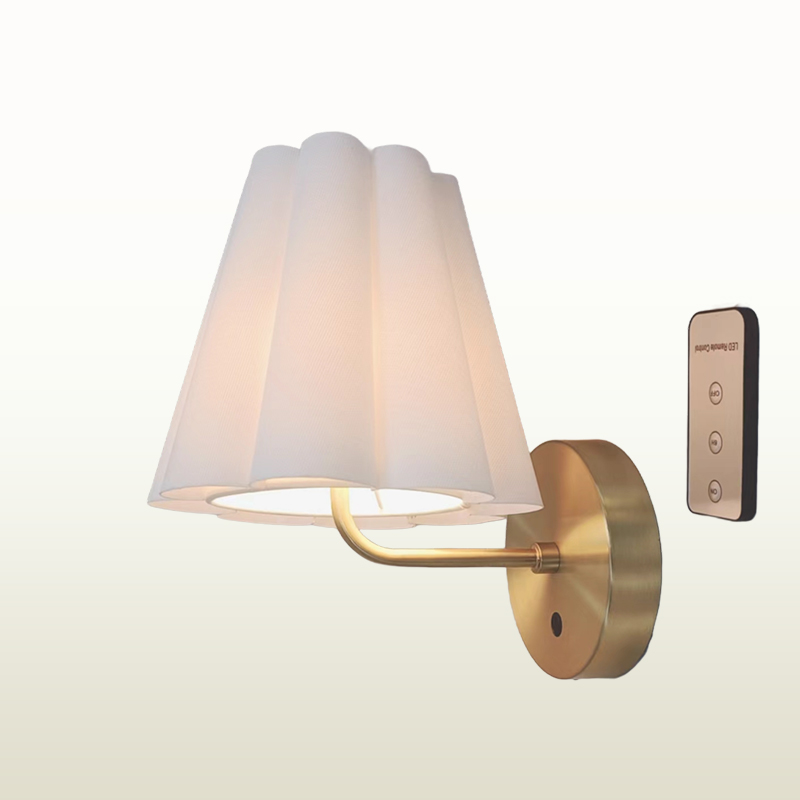
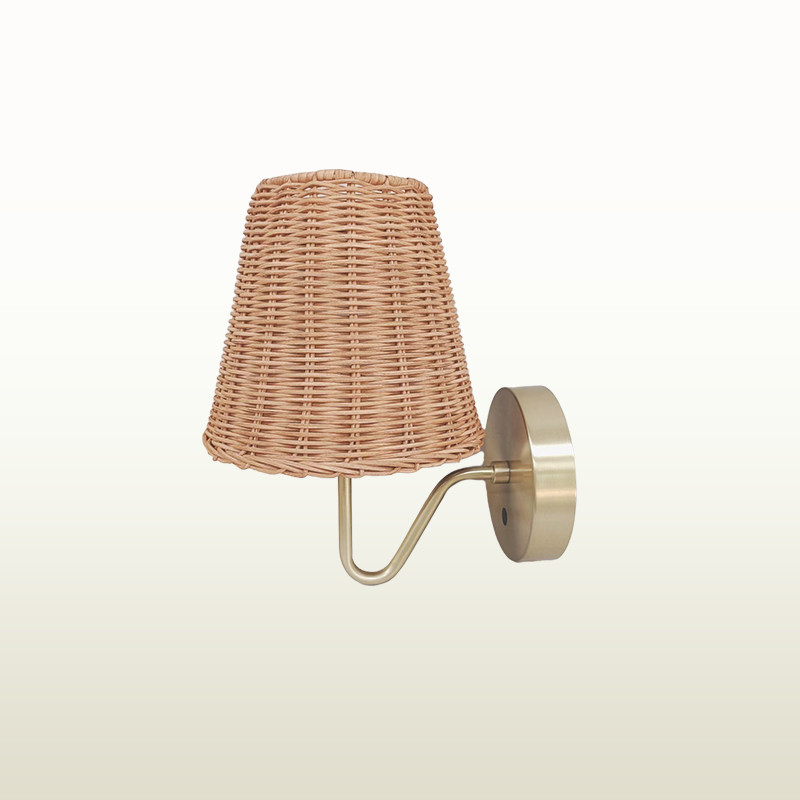
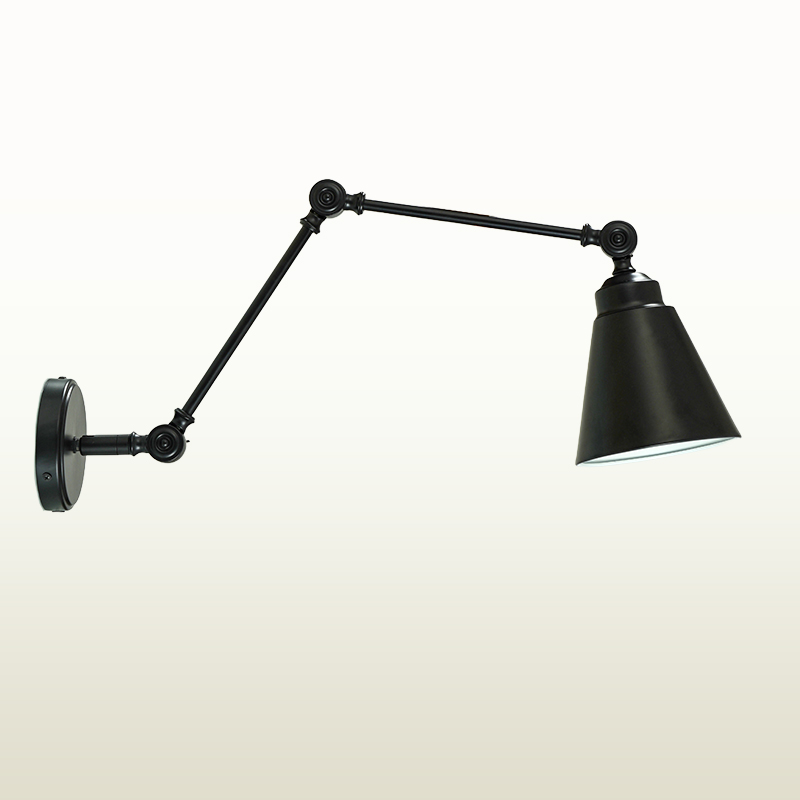
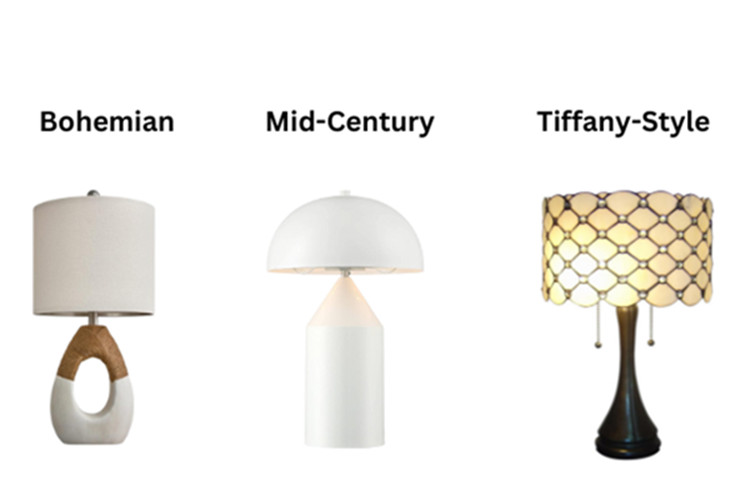
There are many types of table lamps, including floor lamps, folding lamps, clip lamps, and touch lamps. Different types of table lamps are suitable for different scenarios and needs. Floor lamps are suitable for large spaces like living rooms and bedrooms, providing overall illumination. Folding lamps are portable and lightweight, making them suitable for travel or office use. Clip lamps can be clipped onto a desk, saving space and making them ideal for reading and studying. Touch lamps are easy to use and offer touch-sensitive adjustment of brightness and color temperature.
2. Light Source
Table lamps mainly come in incandescent, fluorescent, and LED light sources. Incandescent lamps, while inexpensive, have low energy efficiency, a short lifespan, and generate a lot of heat. Fluorescent lamps, while more energy-efficient, are prone to flickering and can be irritating to the eyes. LEDs, on the other hand, offer advantages such as high energy efficiency, long lifespan, and UV-free performance, making them the most popular light source for table lamps.
3. Brightness
Brightness is a key factor to consider when choosing a table lamp. Generally speaking, the higher the brightness, the better the lighting effect. However, excessive brightness can irritate the eyes and cause visual fatigue. Therefore, when choosing a table lamp, choose one with a dimming function to adjust the brightness according to your needs and protect your eyes.
4. Color Temperature
Color temperature refers to the color of the light emitted by a light source, commonly measured in Kelvin (K). Generally speaking, table lamps with a color temperature between 270K and 400K are suitable for leisure and entertainment purposes, such as reading and watching TV; those with a color temperature between 400K and 500K are suitable for office and study use, such as writing and reading; and those with a color temperature above 500K are suitable for fine work, such as painting and crafting.
5. Color Rendering
Color rendering refers to a light source's ability to reproduce the true colors of an object. A commonly used indicator is the Ra value. The higher the Ra value, the better the light source's ability to reproduce the color of an object. Generally speaking, table lamps with an Ra value of 80 or above are able to reproduce the true colors of objects well and are suitable for use in scenes requiring accurate color reproduction, such as painting and photography.
6. Energy Efficiency
Energy efficiency is another important factor to consider when choosing a table lamp. LED table lamps offer higher energy efficiency than traditional lamps, saving energy and reducing operating costs. Furthermore, some table lamps feature features like timers and sensor switches, further enhancing energy efficiency.
Conclusion
When choosing a table lamp, we need to consider various factors based on our needs and actual circumstances. We hope that this article will help you choose the right table lamp for you. Whether you're working, studying, or just relaxing, a suitable table lamp can provide a comfortable lighting environment and enhance your life.